Writing
Exploring technology, documentation, and developer experience.
Technical articles, documentation practices, and ideas from the work I do and the things I keep learning about.
Featured
Start here
Elsewhere
Published elsewhere
Guides for SigNoz (Aug 2024 – Jul 2025) on tracing, cloud and serverless infrastructure, and AWS monitoring, and documentation for AsyncAPI through Google Season of Docs.
Archive
Writing
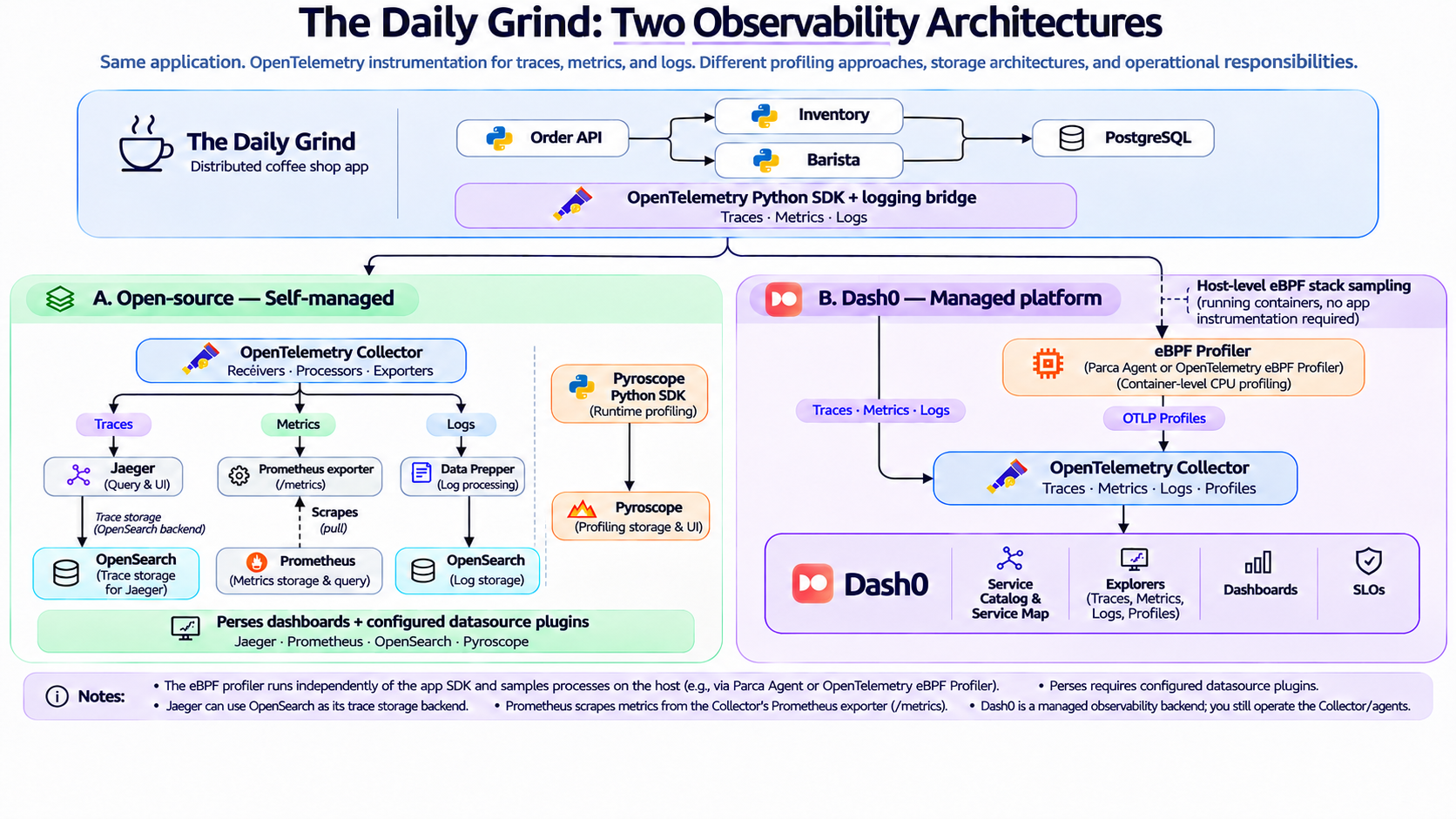
Building a coffee OpenTelemetry Observability Stack: Open Source vs. Dash0
What does it take to build and operate an observability stack? I built The Daily Grind, a coffee shop application powered by OpenTelemetry, and explored two approaches: a self-managed open-source stack and Dash0. Compare how they handle…
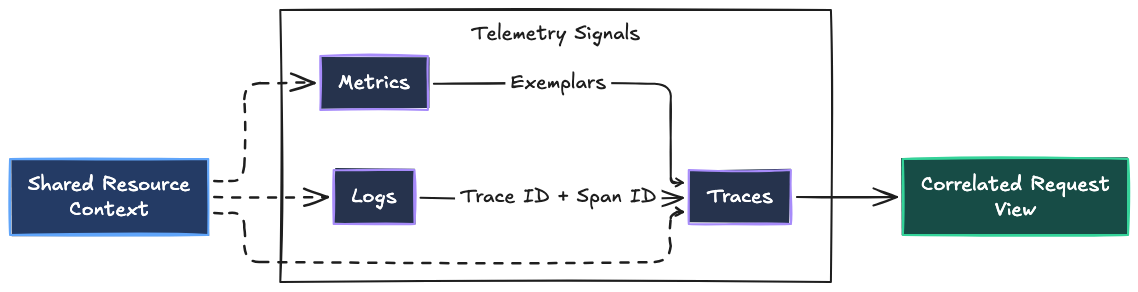
Your Telemetry Has Data. Does It Have Context?
Collecting metrics, logs, and traces is only the first step toward observability. To understand what’s happening across distributed systems, you need consistent telemetry attributes and context that connects different signals. Explore how…
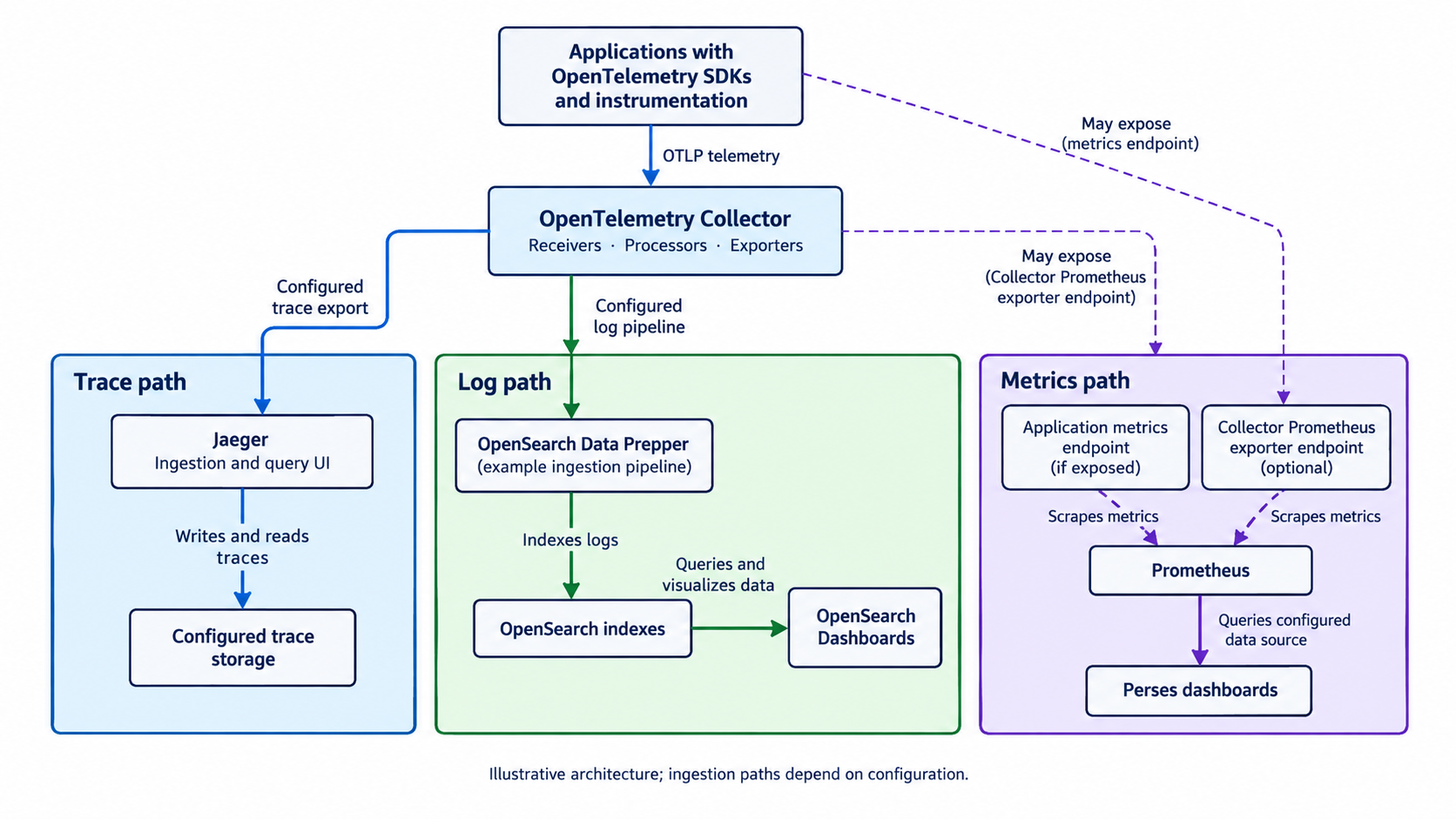
Beyond the Collector: How the Open-Source Observability Stack Fits Together
What happens after telemetry leaves the OpenTelemetry Collector? Explore how Prometheus, Jaeger, OpenSearch, and Perses fit into an open-source observability stack, how to connect them, and what to consider before operating the stack in…
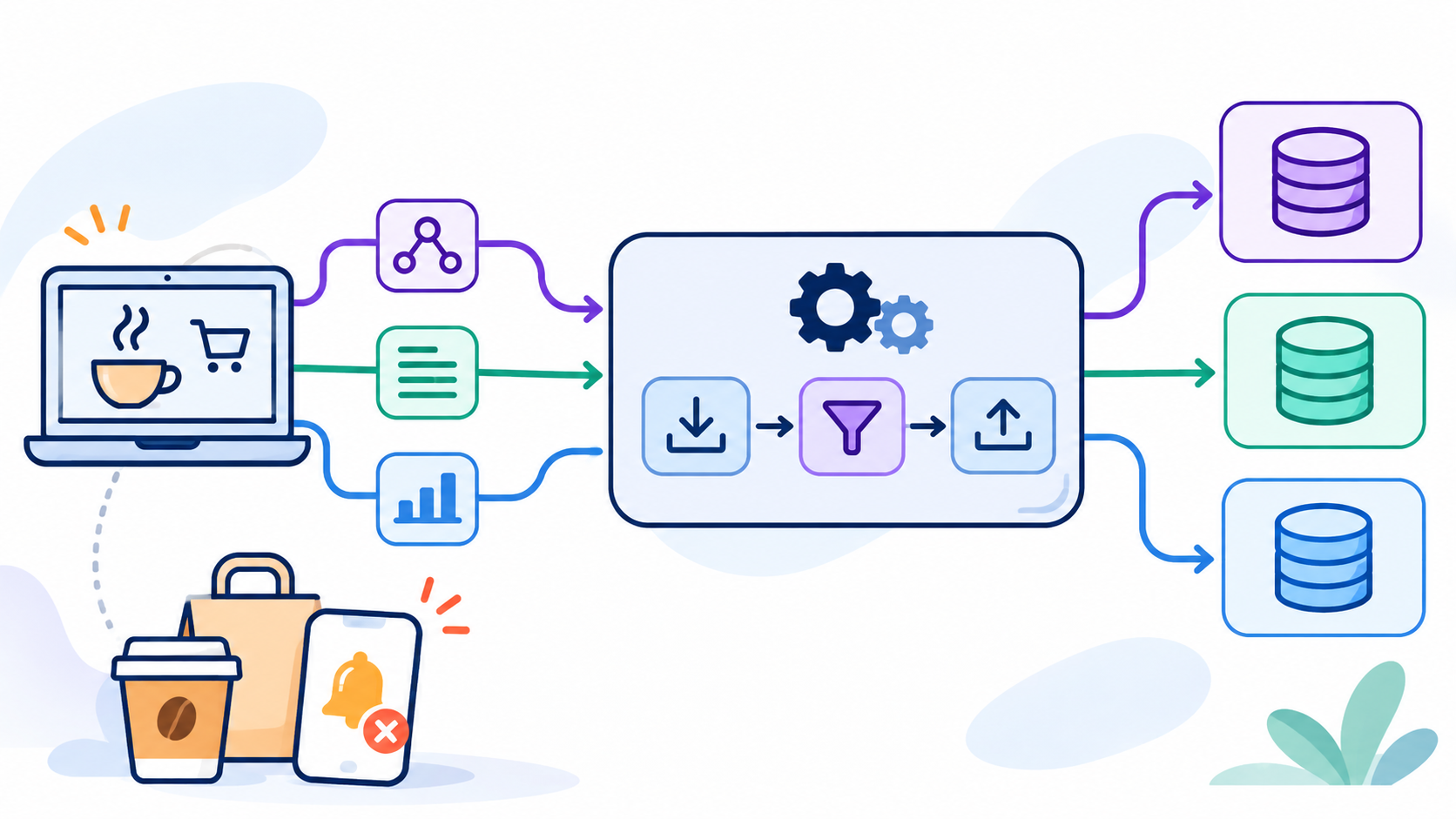
Your telemetry doesn’t go straight to the backend: Understanding the OpenTelemetry Collector
The OpenTelemetry Collector helps you manage telemetry beyond application instrumentation. Learn how receivers, processors, and exporters work together, explore agent and gateway deployment patterns, and understand how to handle sensitive…
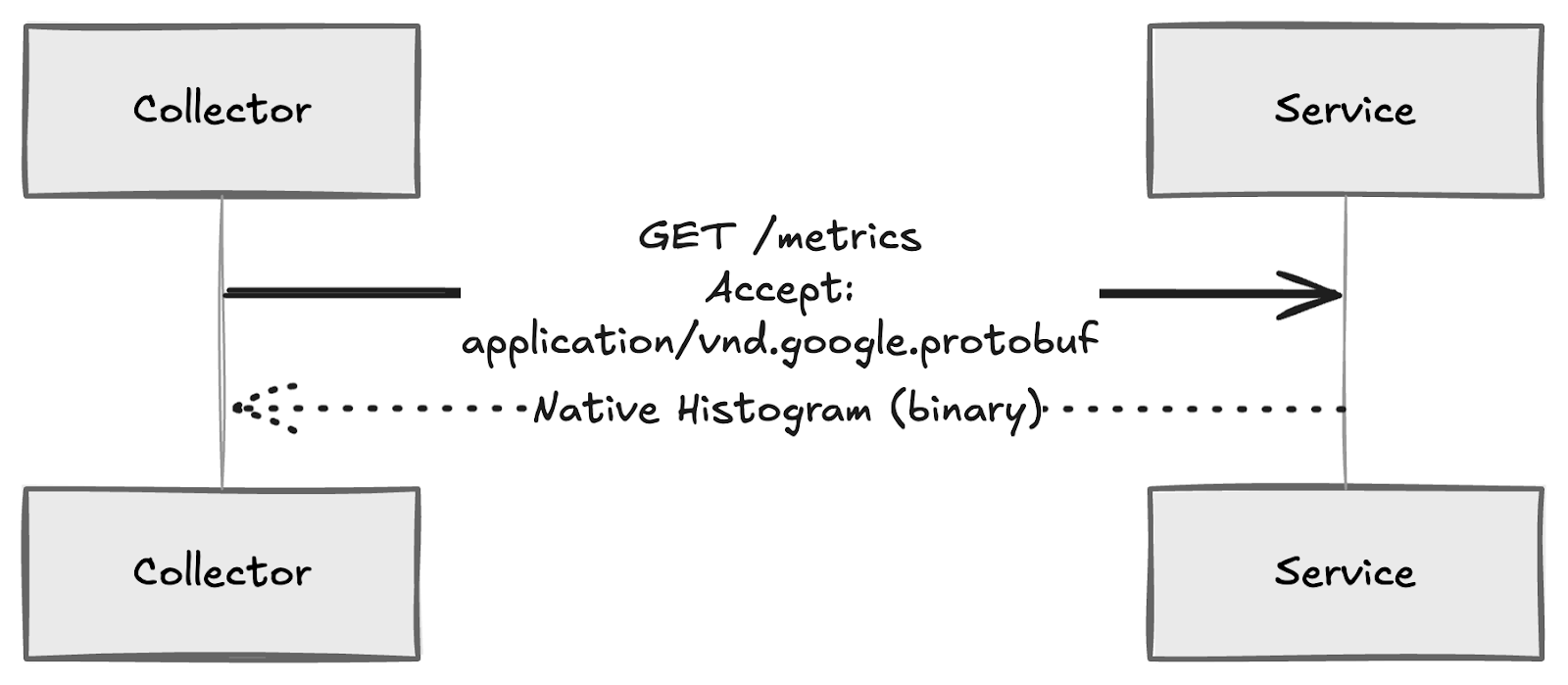
Collect Prometheus Native Histograms and Export Them to OTLP Backends
A technical guide on bridging the gap between Prometheus and OpenTelemetry. Discover how to collect Native Histograms and seamlessly export them to OTLP-compatible backends.
Native OpenTelemetry
OpenTelemetry has become the standard for generating telemetry in cloud-native systems, but instrumentation alone does not guarantee observability. This article explains the difference between OpenTelemetry-compatible and…
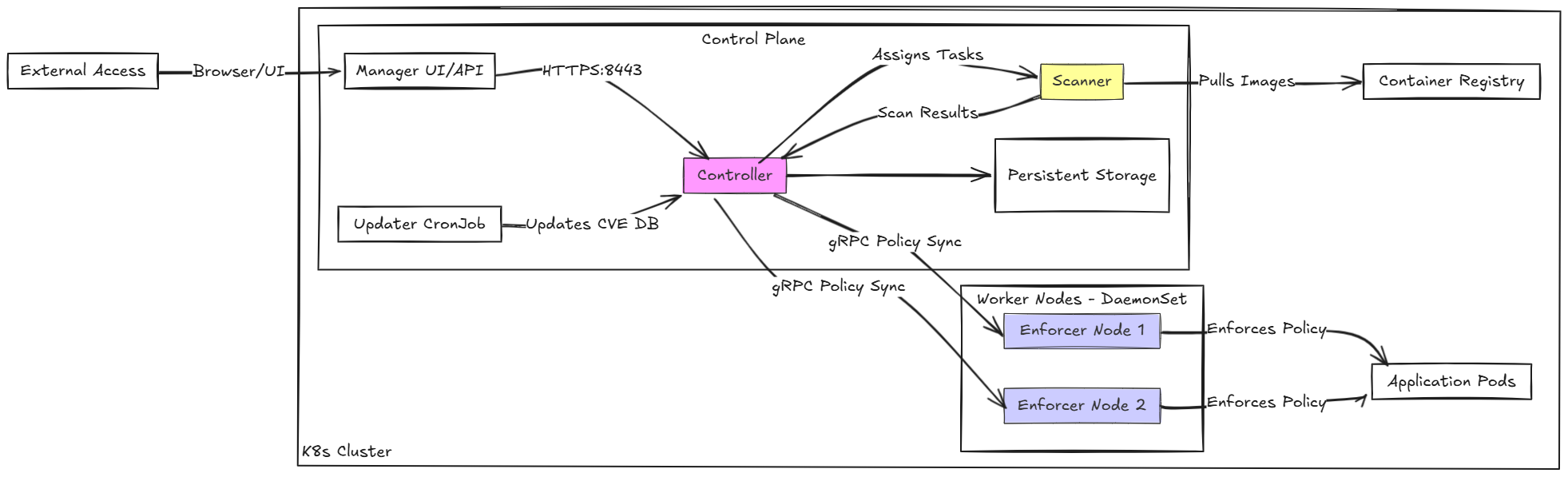
NeuVector for Kubernetes Security and Compliance
NeuVector delivers continuous vulnerability scanning and compliance enforcement across Kubernetes environments. This article explains how NeuVector updates CVE data daily, enforces admission control in discover, monitor, and protect…
When Metrics Leak Secrets: Kubernetes CTF Lessons
In this blog, I’ll walk you through how I uncovered three hidden flags in a Kubernetes cluster by investigating Grafana, VictoriaMetrics, and VictoriaLogs. Each step highlights a different misconfiguration from weak secret management to…
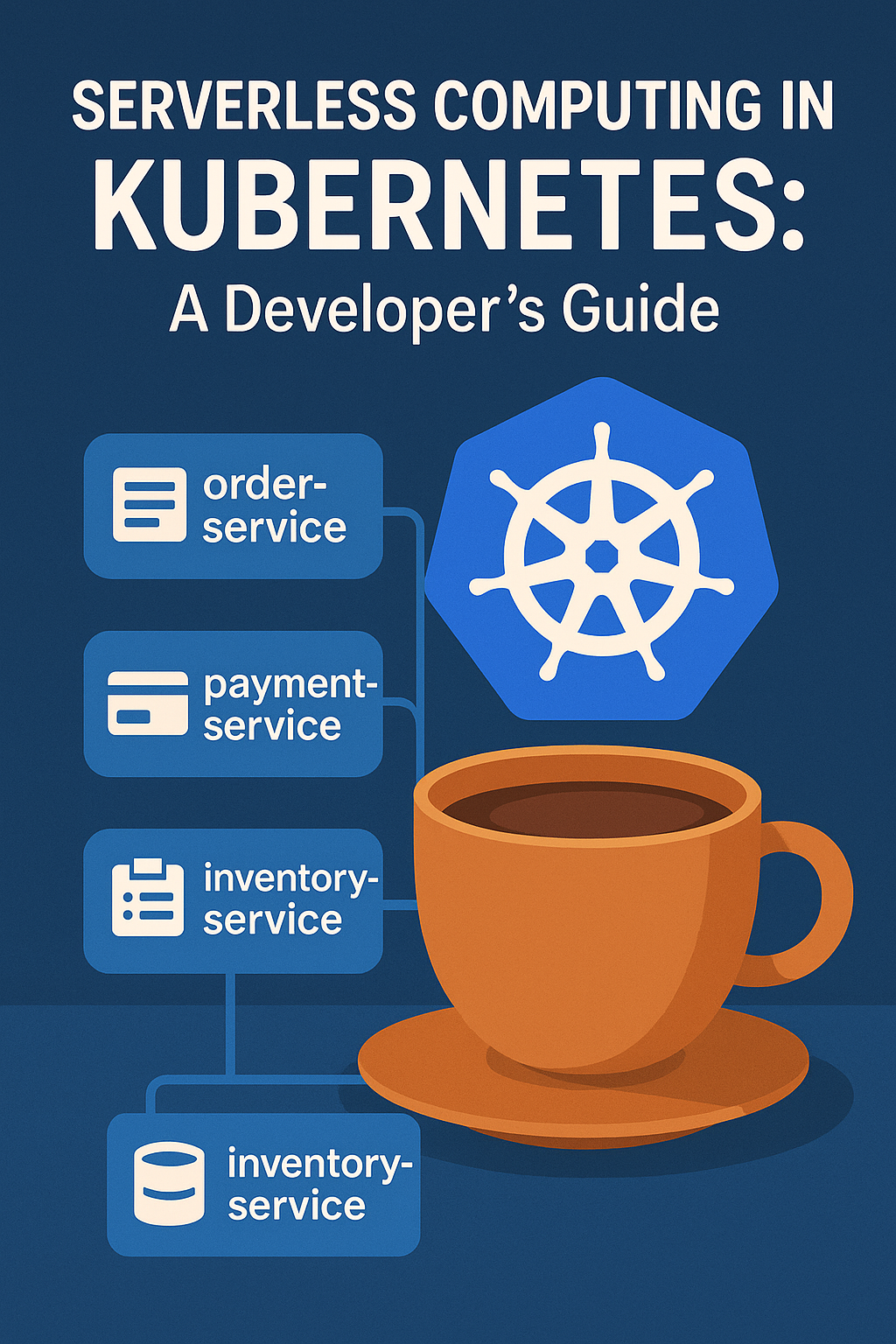
Serverless Computing in Kubernetes: A Developer’s Guide
Deploy serverless functions with OpenFaaS on Kubernetes using Rancher. Learn setup, scaling, and cloud-native app workflows for modern development.
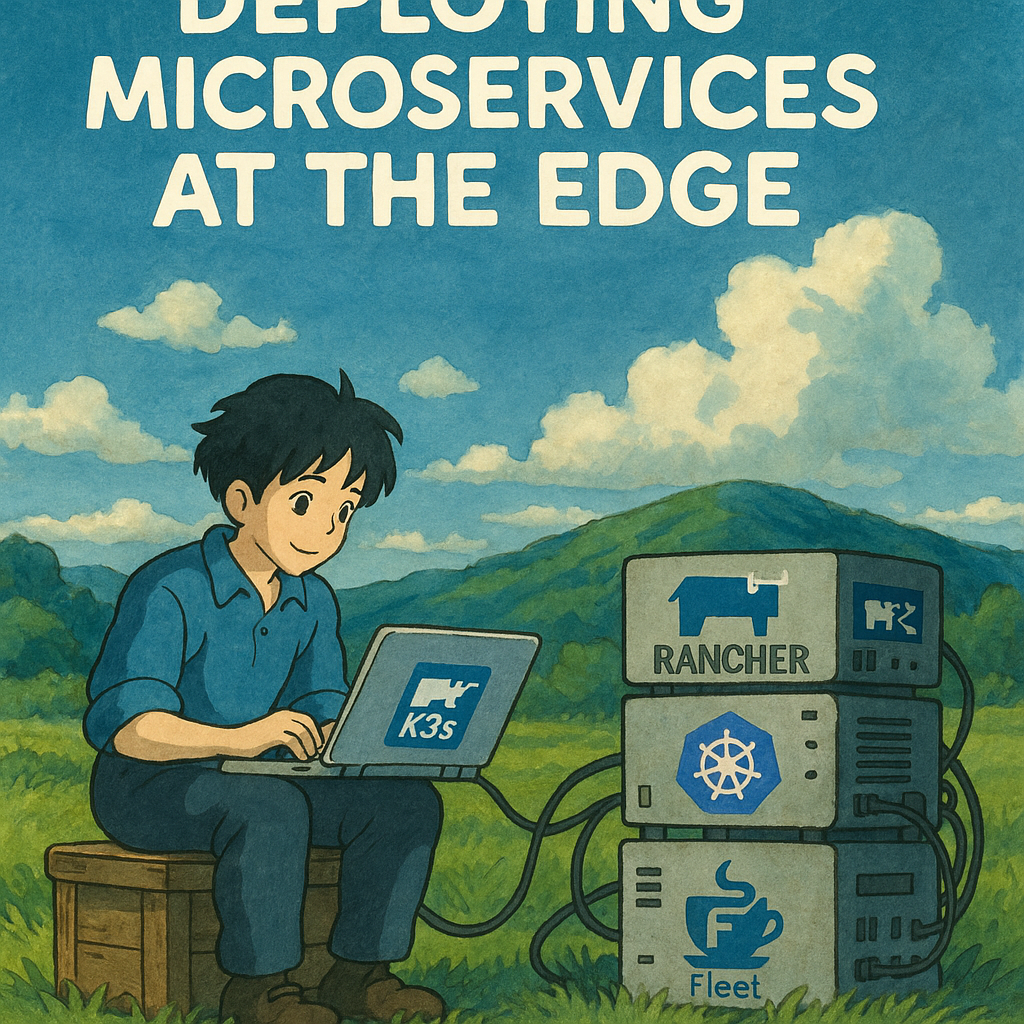
Microservices at Edge with K3s and Fleet
Learn how to deploy and manage microservices across thousands of edge locations using K3s and Rancher Fleet. This guide explores lightweight Kubernetes, GitOps, remote access, and serverless functions for modern edge computing.

Simplifying Microservices with Istio and Service Mesh Architecture
In this guide, we take a developer-first journey through Istio’s capabilities—sidecar proxies, WASM plugin customization, secure ingress and egress gateways, multi-cluster setups, zero-trust security with mTLS, and real-world traffic…
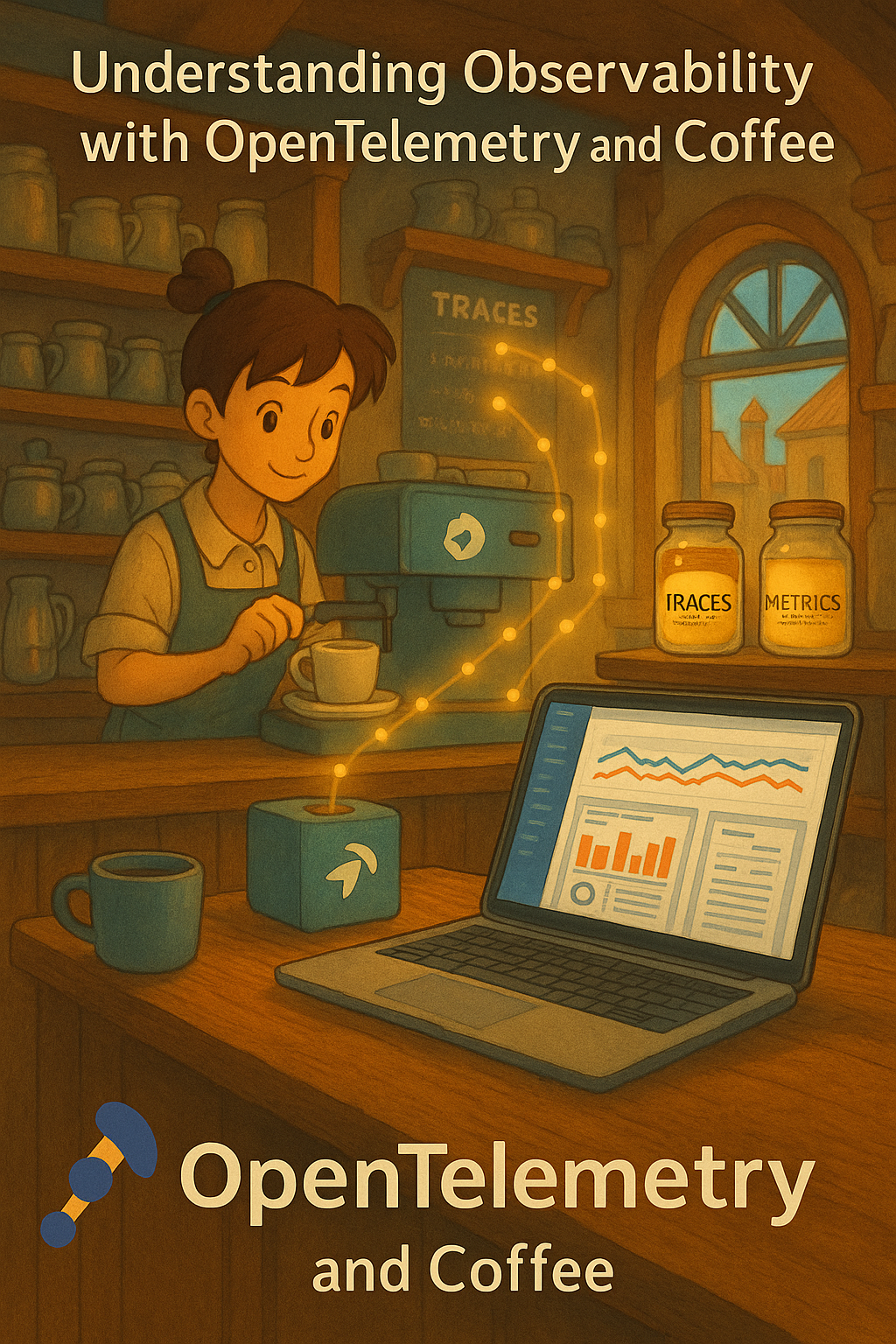
Understanding Observability with OpenTelemetry and Coffee
Understanding Observability with OpenTelemetry and Coffee is your practical guide to modern observability. This blog breaks down OpenTelemetry concepts, explains code instrumentation with .NET 8, and explores the OpenTelemetry Collector.…
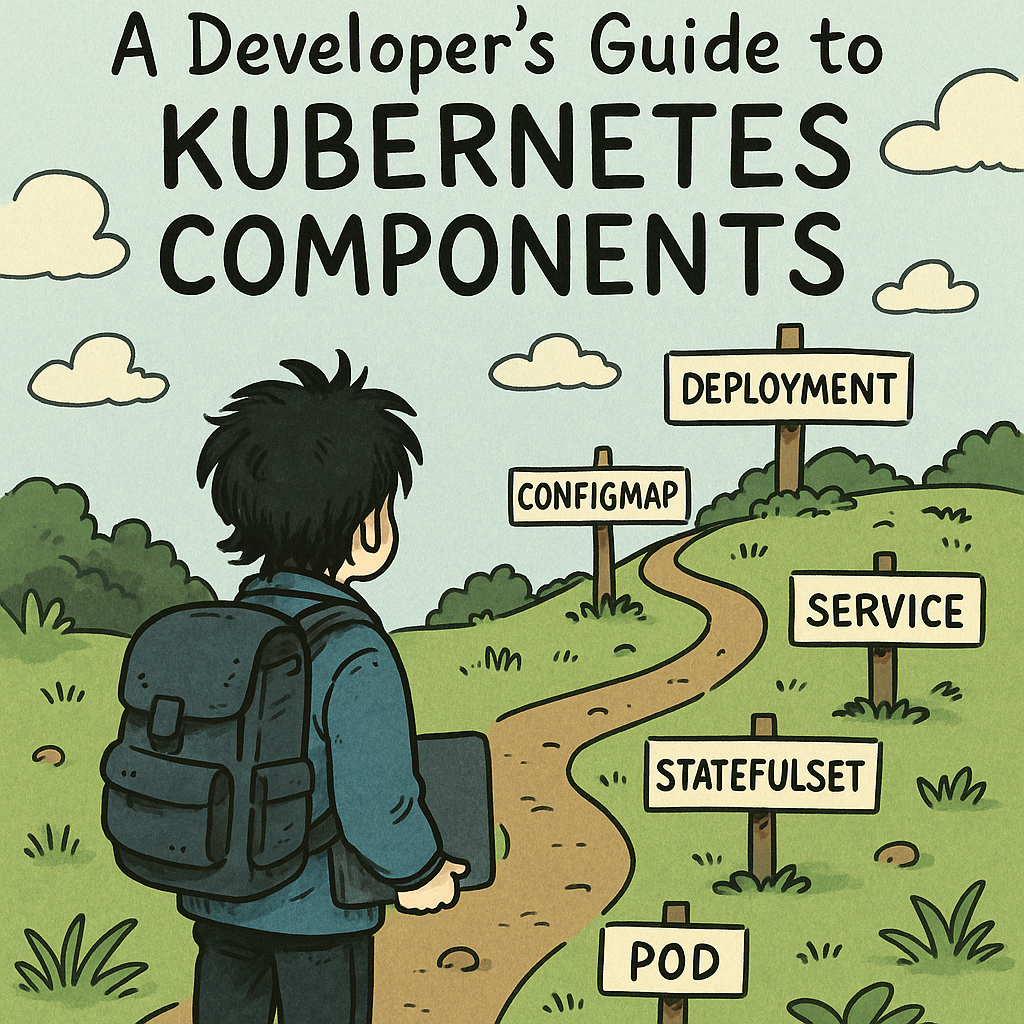
A Developer’s Guide to Kubernetes Components
Learn essential Kubernetes concepts every developer must know—including Nodes, Pods, Deployments, Services, and RBAC—with real-world examples, developer-focused insights, and visual diagrams.
Getting Started with Minikube for Kubernetes
Learn how to run a local Kubernetes cluster using Minikube. This step-by-step guide for developers covers setup, multi-node clusters, probes, Ingress, the dashboard, and real-world use cases—all with examples and diagrams.
Managing Configuration with ConfigMaps and Secrets
Learn how to manage configuration and sensitive data in Kubernetes using ConfigMaps and Secrets. This guide covers volumes, the CSI interface, persistent storage, and real-world examples of securely injecting configuration into your…
Introduction to Container Images and Orchestration
Learn how container images, orchestration, and Kubernetes work together to build scalable, fault-tolerant, and cloud-native applications.
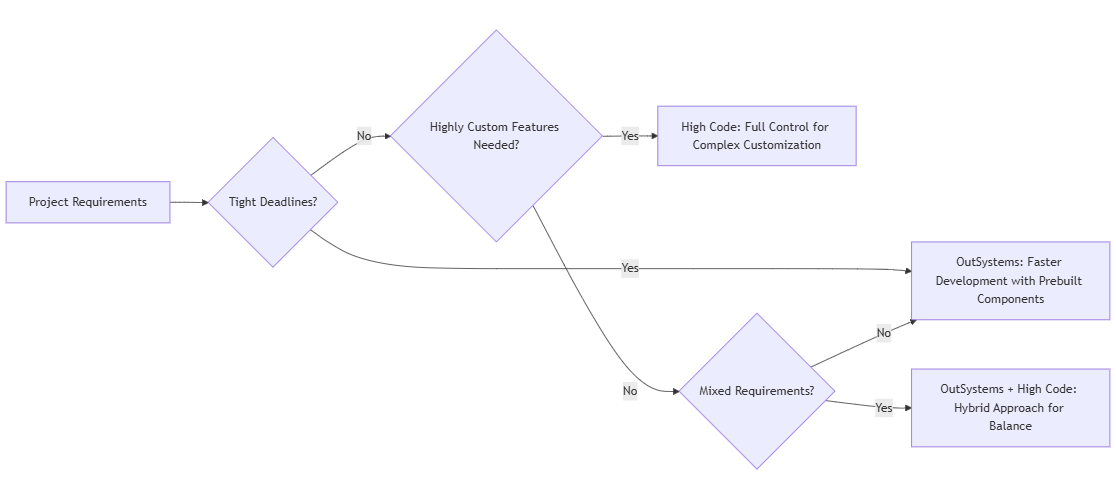
Accelerate App Development with OutSystems Low-Code
OutSystems simplifies app development by reducing manual coding through prebuilt components and visual workflows. OutSystems offers faster deployment, automated dependency management, and simplified database synchronization compared to…
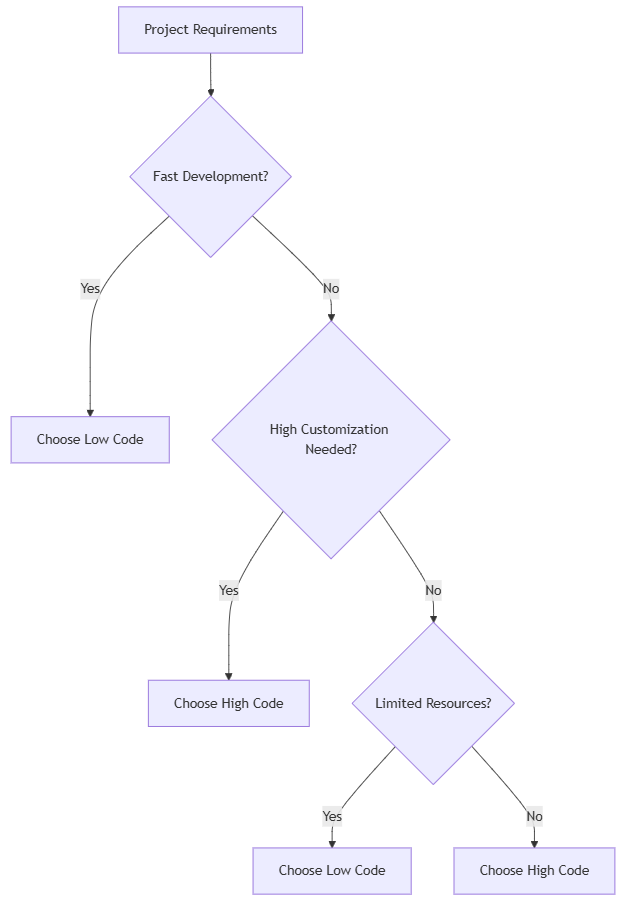
Integrating Low-Code & High-Code Solutions Effectively
Low-code and high-code solutions bring together the best of rapid application development and customizability. By strategically combining these approaches, teams can accelerate development timelines, handle complex integrations, and…
Build Docs-as code APIs
This blog talks about benefits of a docs-first approach to design and model APIs. It includes a detailed example of creating a Coffee Catalog API. It also discusses about OpenAPI and SwaggerHub simplify API development. Finally, it…

technical Writing 101
I’ve been in the technical writing field for a few years now. Recently, I had the opportunity to contribute to AsyncAPI under Google Season of Docs. This document covers the responsibilities of technical writers, research methods, style…
How to effectively store and analyze logs in AWS CLOUD
This blog aims to help you understand how to store and analyze logs in AWS and some recommended practices.
Things to know about Streaming data
Stream processing services and architectures are becoming increasingly popular because they enable developers to mix data feed from multiple sources, and since not all data is produced equally and its value changes. This blog will cover…
WebRTC USING PYTHON?
when and why to choose cloud over on prem
Things to know about Machine learning(ML) models on cloud
As data becomes more diverse and valuable, we will see more Machine Learning models on cloud. With the rise of intelligent machines, it is becoming important for developers to understand Machine Learning approaches on cloud. This blog…
Things to know about Data-Driven Architecture on cloud
As data becomes more diverse and valuable, we will see more data-driven architecture and software. With the rise of data, it is becoming important for developers to understand data-driven approaches. This blog explains what data is, how…
When and Why to migrate from spreadsheet to a Database
As data becomes one of the important parameters to consider before developing you solution, as we try to analyse, enrich and predict from our data. Before we deep dive into developing data products, we have to understand why do we use a…
Introduction to Apache Spark, SparkQL, and Spark MLib.
In this blog, i focus on Apache Spark , features and limitations of Apache Spark , architecture of Apache Spark, architecture of SparkQL, and architecture of Spark MLib .

Introduction to Hive(A SQL layer above hadoop)
In this blog, i focus on Hive, features and limitations of hive, architecture of hive and Joins in hive
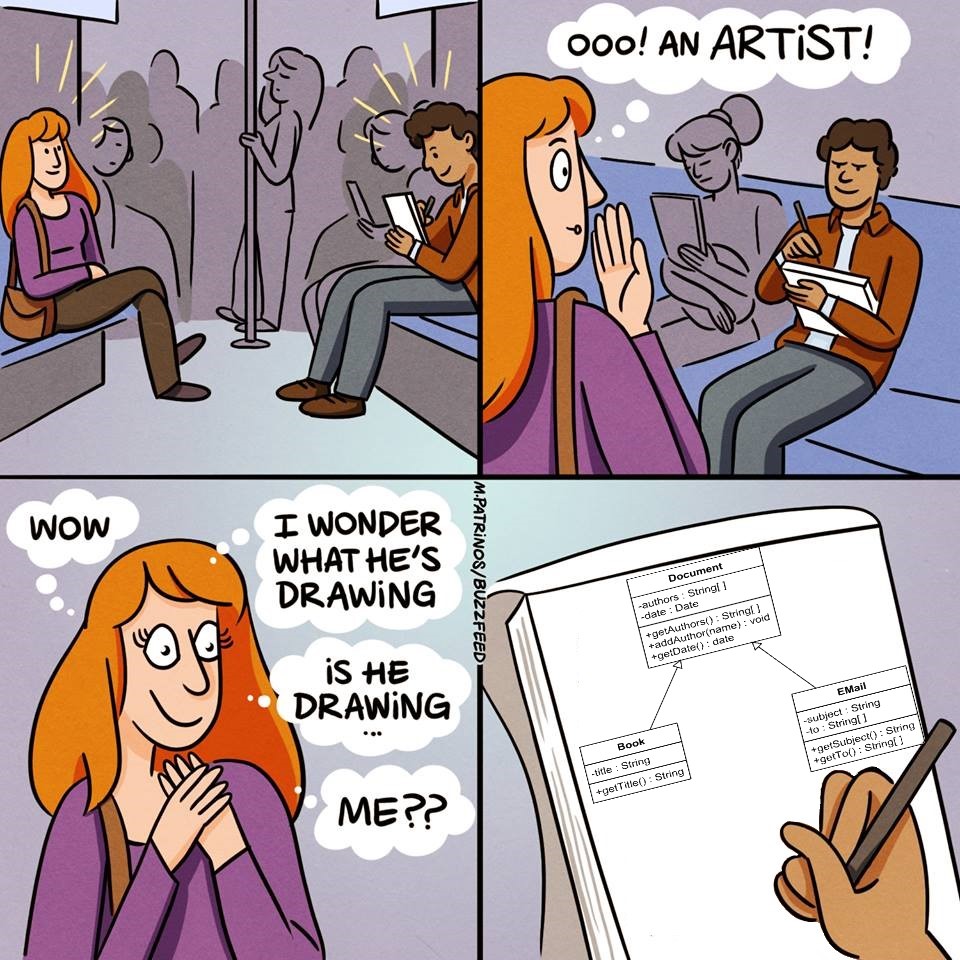
Things to know about various UML diagrams (Sequence, activity, State transition, Component and Deployment)
In this blog, we are going to focus on object oriented design and analysis for a solution. We will be covering basics of UML and various behaviour, interaction and structure UML Diagrams. We are going to cover Sequence diagram, Activity…
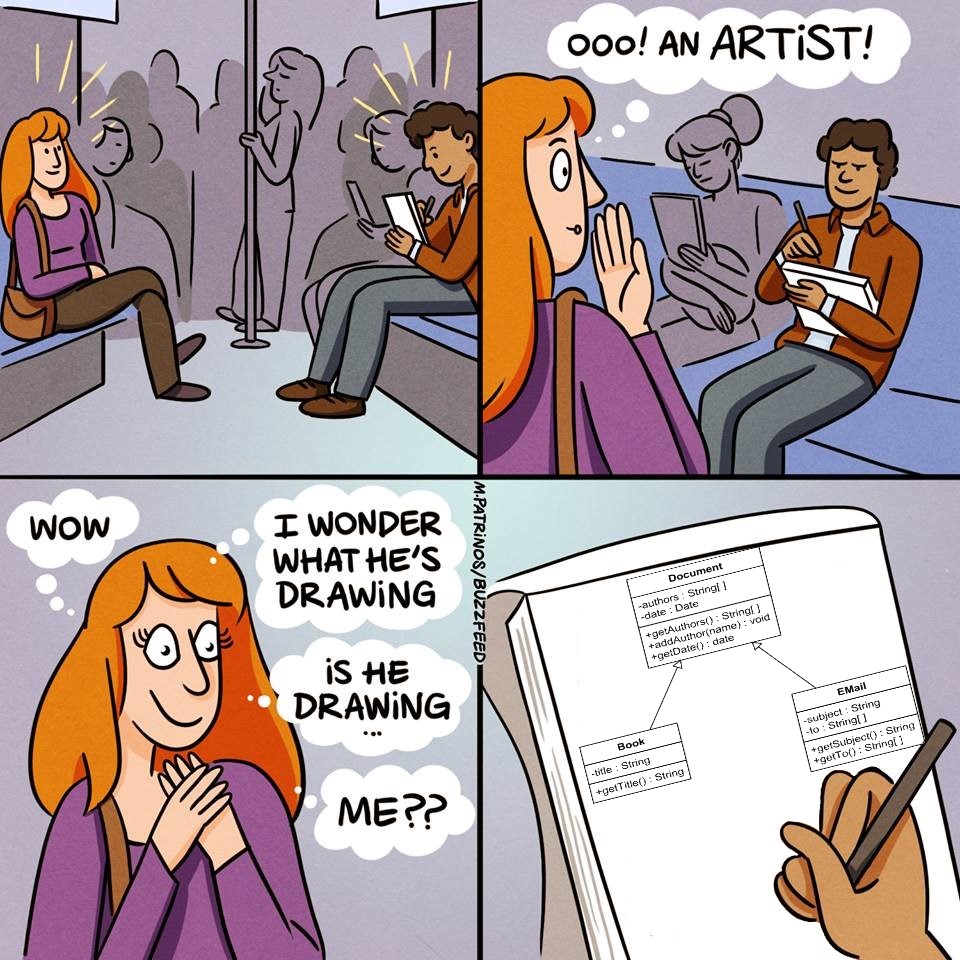
Things to know about various UML diagrams (Use case, 4+1 view model, CRC cards, Class and object diagrams)
In this blog, we are going to focus on object oriented design and analysis for a solution. We will be covering basics of UML and various behaviour, interaction and structure UML Diagrams. We are going to cover Use case diagram, 4+1 view…

Thing to know before developing your cyber security solution
As the number of cyber security attacks are growing, it is important to know about the basics of cyber security, data security, different types of cyber-attacks, and Threat modelling.

Things to know about Phishing attacks
As the number of cyber security attacks are growing exponentially, In 2020, approximately 75% of enterprises around the world will have experienced a phishing attack. In this blog, we will cover what do you mean by a phishing attack, the…
Things to know about Event-Driven Architecture
With the continuing growth of micro services and the cloud best practice of designing decoupled systems, it’s imperative that developers have the ability to utilize a service, or system for better scalability and availability.…
How does OS manage memory and virtual memory?
This blog focuses on how operating system memory manages processes and Memory. Along with Memory allocation with fragmentation(Paging and segmentation). And, a little introduction to virtual memory in operating systems.
Information to know about Operating System
This blog focuses on operating system evolution and structures, process management with process scheduling algorithms, and process synchronization with semaphores and monitors.
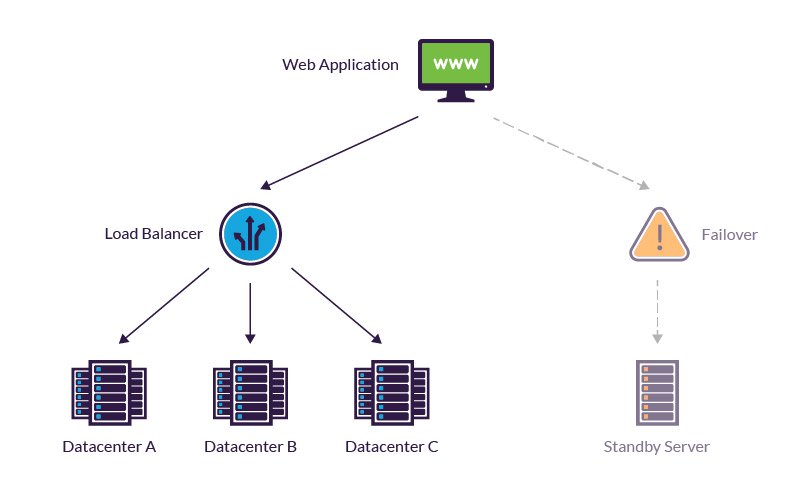
Fault Tolerance and Recovery in Distributed systems
In this blog, we will focus on fault tolerance in distributed systems, two phase commit protocol and Voting Protocol. Also focus on recovery in distributed systems, backward and forward error recovery, database modification with state…
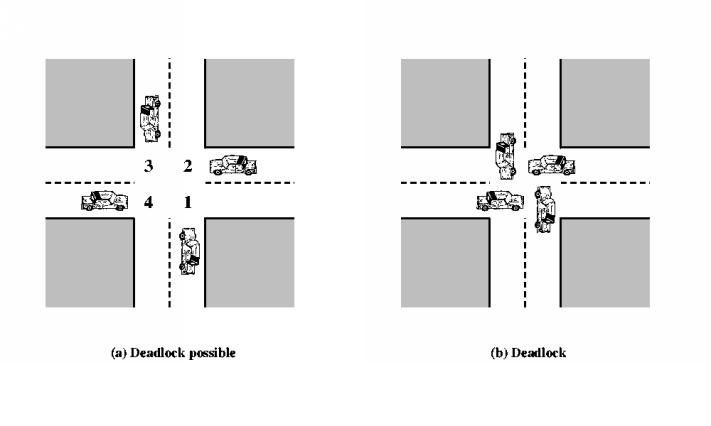
How to detect a Deadlock and resolve it in Distributed Systems?
In this blog, we will focus on how to prevent a deadlock, how to detect a deadlock, centralized, decentralized and hierarchical resolution algorithms for deadlock.
How to Synchronize Distributed systems?
In this blog, we will focus on how to synchronize distributed systems( actual time, relative time, Based on mutual exclusion, Election algorithms and Transactions).
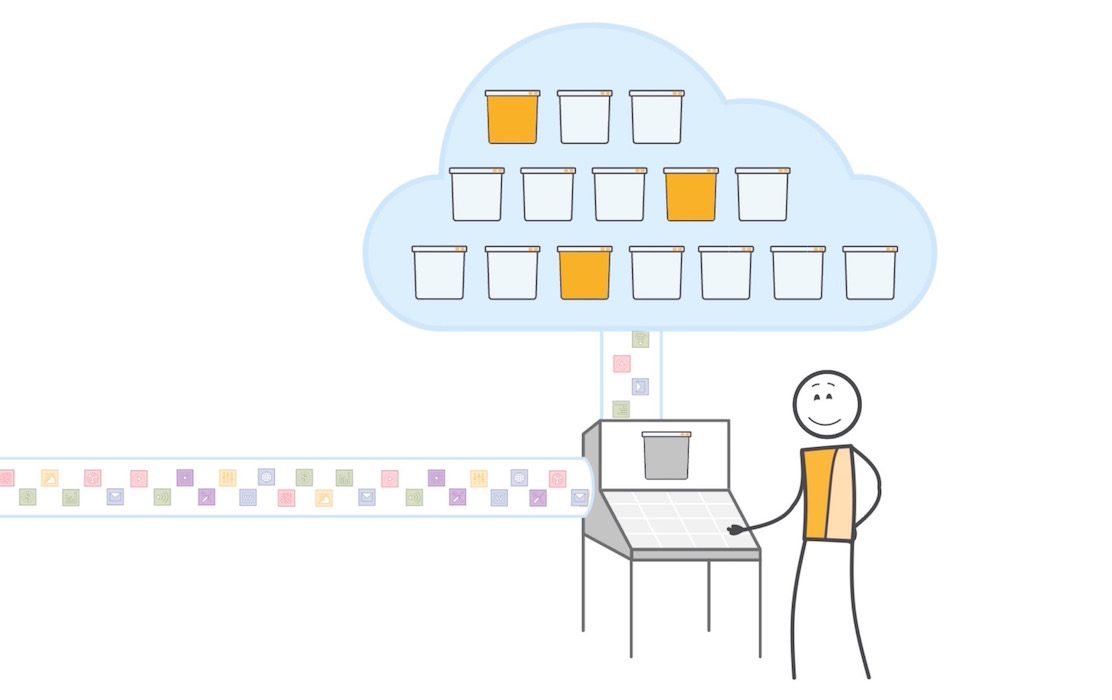
What do you mean by Distributed Systems, Shared Memory and File Systems
In this blog, we will focus on what do you mean by Central, Network, and Distributed systems along with Issues while designing a distributed system. We will also be covering Distributed Shared Memory along with coherence protocols. We…
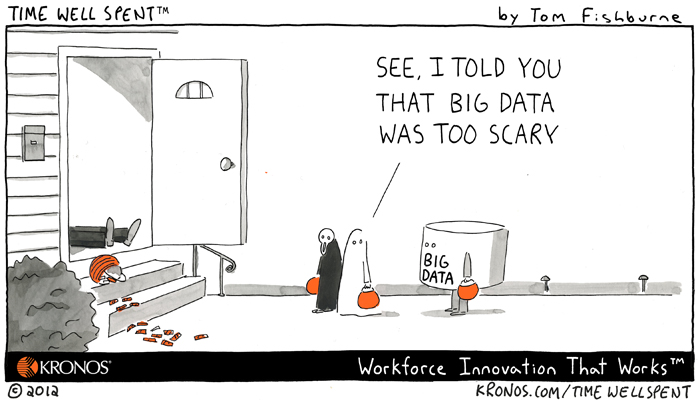
intro to 4 types of NoSQL databases
There is no database that fits for all problems. This blog cover the 4 types of NoSQL databases which are Key value pairs, Columnar, Document and Graph. Along with some example of where to use each type of data base.
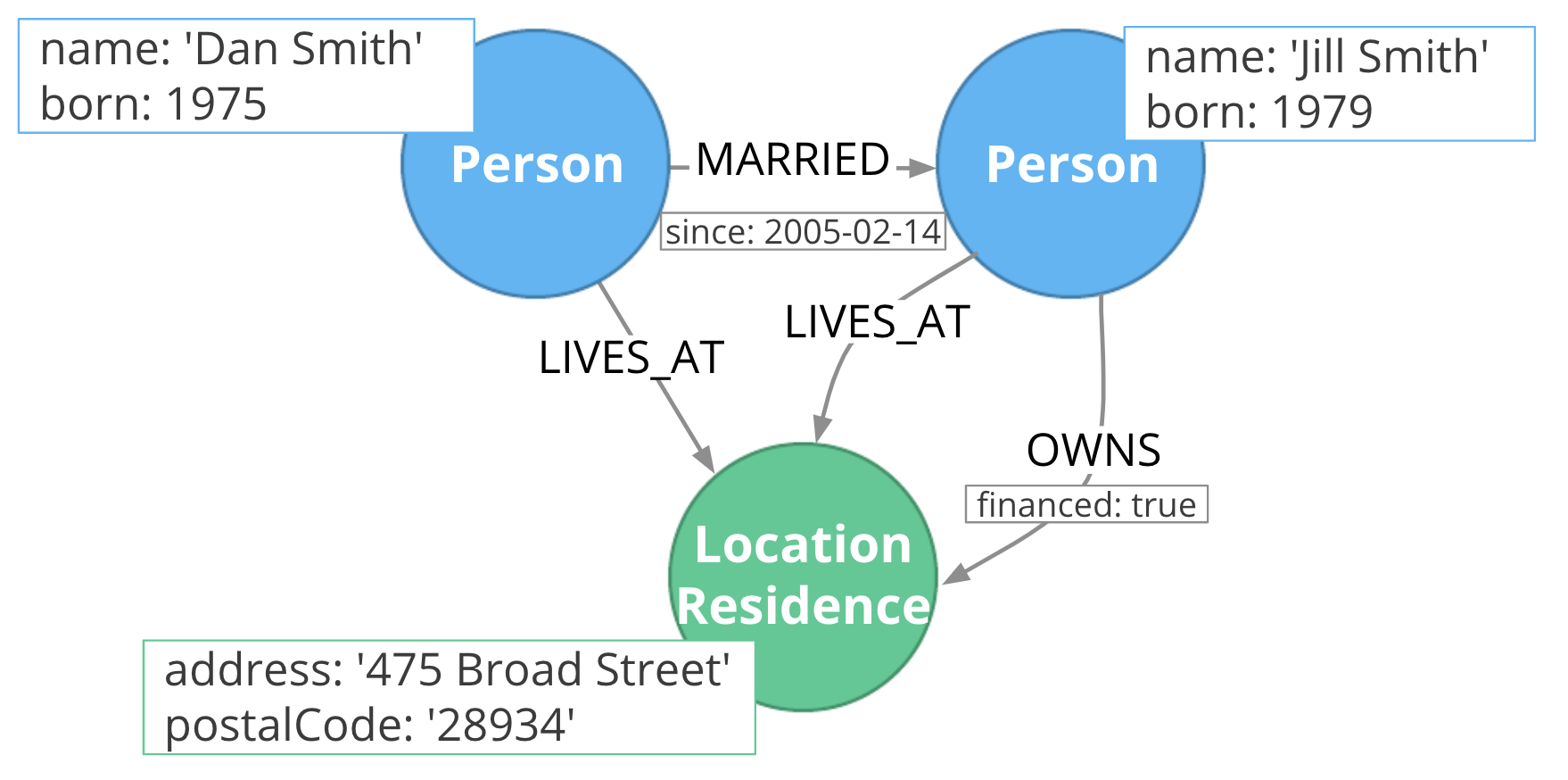
Introduction to Graph value data store along with a use case
This blog focuses primarily on graph value data stores, its example along with their architecture and features. Example used is Neo 4J.
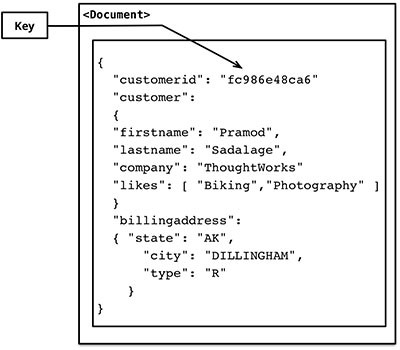
Introduction to Document value data store along with a use case
This blog focuses primarily on document value data stores, its example along with their architecture and features. Example used is Mongo DB.
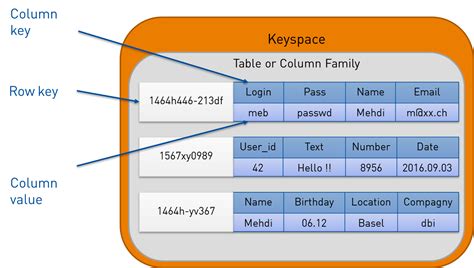
Introduction to columnar value data store along with use cases
This blog focuses primarily on column value data stores, its example along with their architecture and features. Examples are Apache Casandra and Google Big Table.
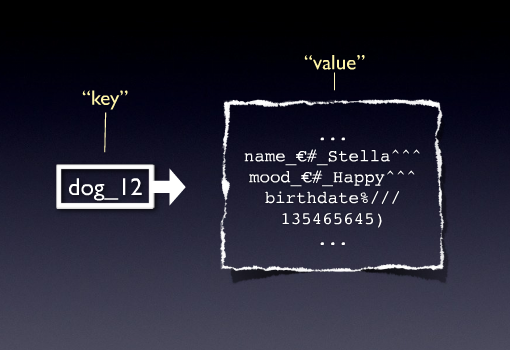
Introduction to Key value data store along with use cases
This blog focuses primarily on key value data stores, its example along with their architecture and features.
Introduction to Hadoop(HDFS and HBase)
HI, this blog on focusing on introduction to Hadoop Distributed File System and it’s architecture, Hadoop Base and it’s architecture..
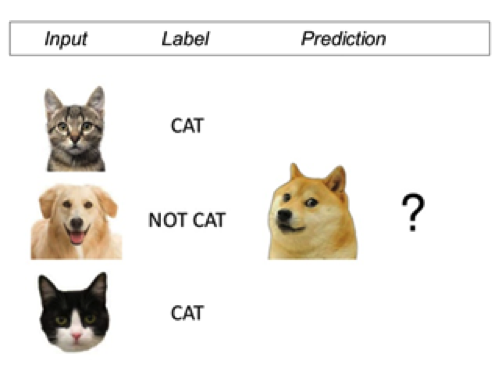
Introduction to Classification along with prerequisites
I took Introduction to Artificial Intelligence class at my university given by Swati Ahirao ma’am. This blog covers prerequisites for classification, common terminologies used in classification, basics of classification, logistic…
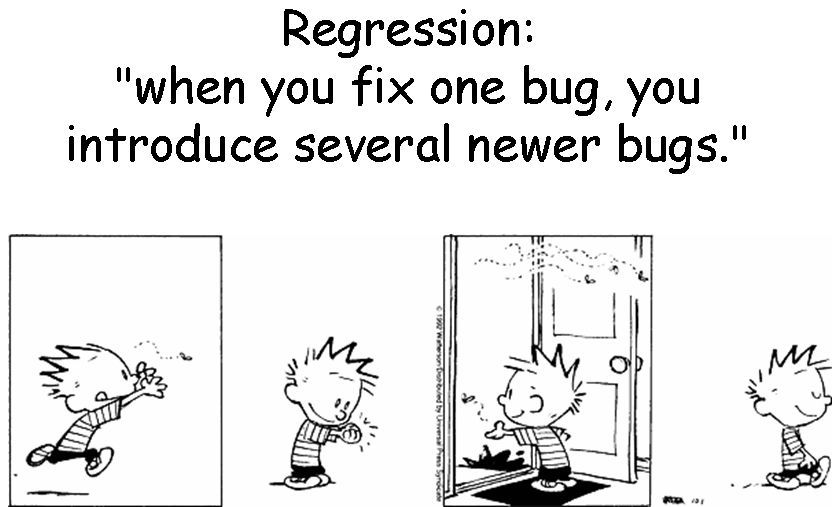
Introduction to Regression along with prerequisites
I took Introduction to Artificial Intelligence class at my university given by Swati Ahirao ma’am. This blog covers per-requisites for regression, basics of Regression, gradient descent, ways of using categorical data in regression and…
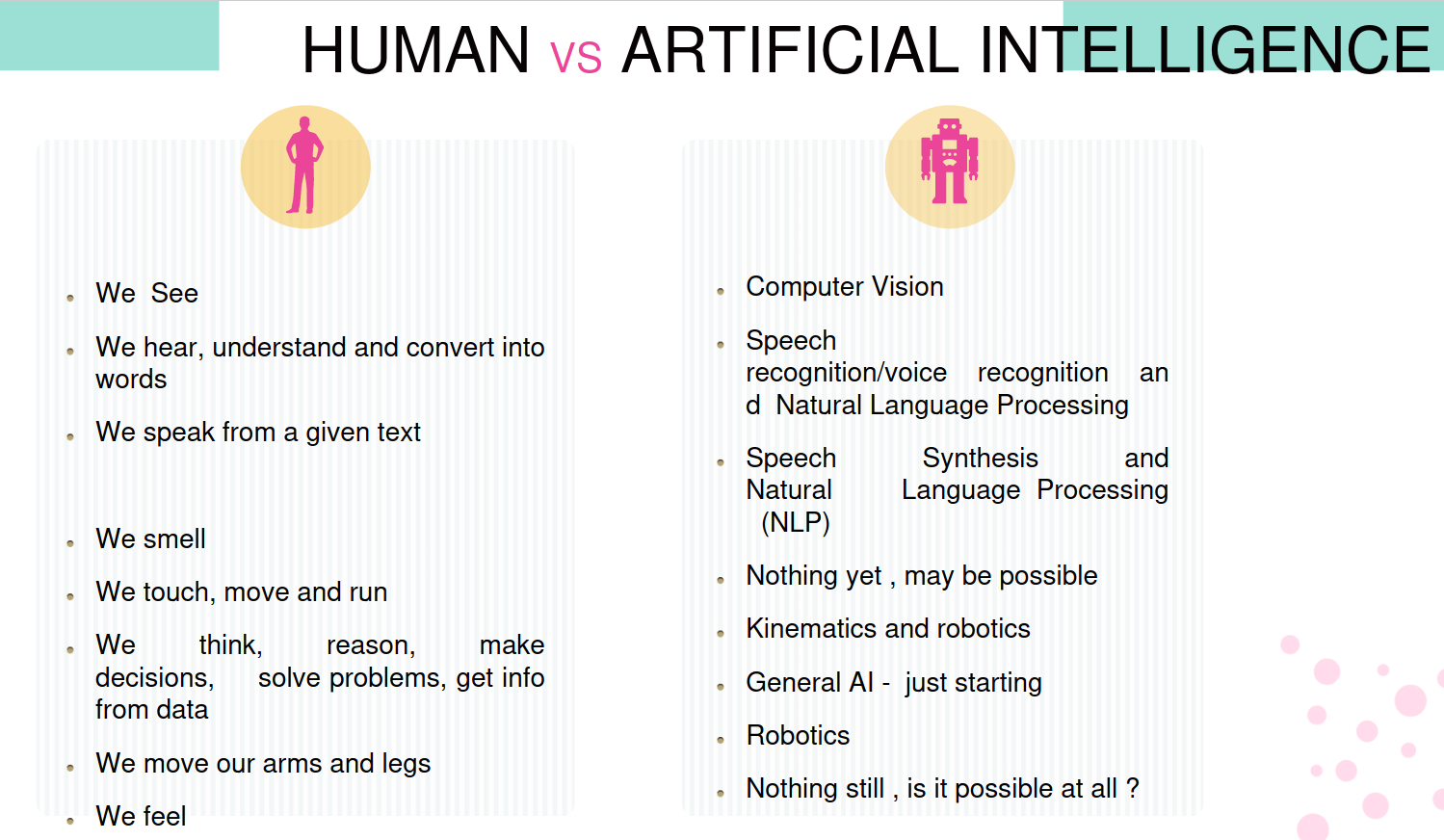
Basics of Statistics and Data Analysis
This blog covers the basics of Statistics and data analysis required to understand Artificial Intelligence.
What is Quantum Computing ?
I choose Quantum computing for my Literature review project in Smart materials, for which I had to read about 10 research papers along with a variety of blogs and resources In this blog, I will be covering the basics of quantum mechanics…
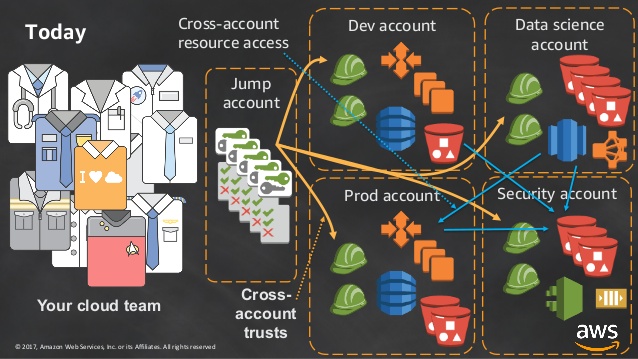
How to create an Organization in cloud and manage its cost
This blog focuses on creating Organizations in AWS Cloud and Managing cost within your organization. I will be covering the fundamentals of AWS Organizations, AWS Billing Dashboard, AWS Cost Explorer and AWS budgets.
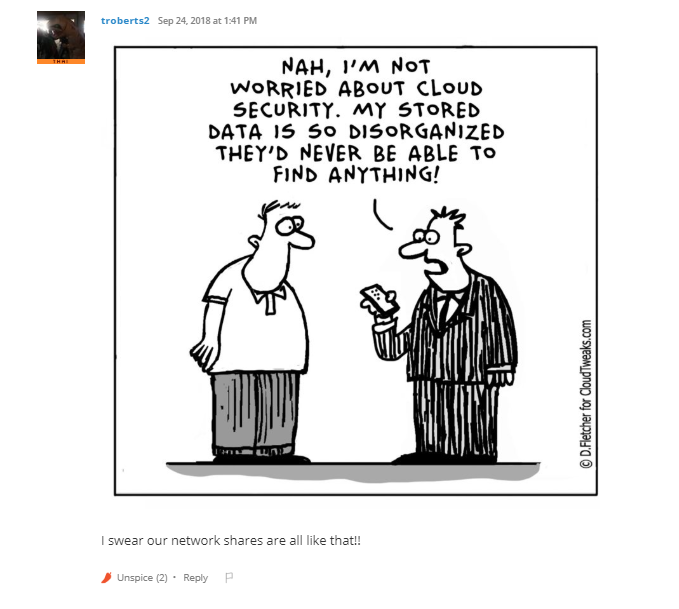
Fundamentals to manage, monitor and secure AWS Cloud
This blog focuses on maintaining and monitoring AWS applications to ensure they are operating at required utilization thresholds, and are protected from any external threats. I will be covering fundamentals of AWS CloudTrail, AWS Config,…

Cloud Networking Fundamentals
I spent over a couple of weeks reading about Virtual Private Cloud(VPC), public and private subnets, Internet Gateway, Route tables, Network access control lists(NACLs), Security Groups, Nat Gateway, Bastion hosts, VPC peering, AWS…
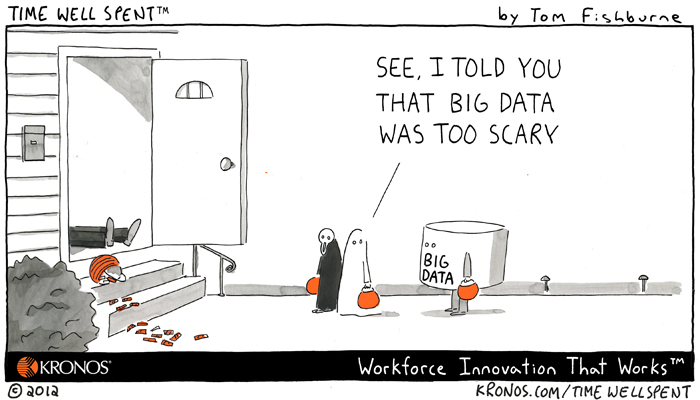
Introduction to Cloud Databases
I spent over a couple of weeks reading about data, big data, database, Relational database, Non Relational database, Amazon Relational Database Service (RDS), Amazon Dynamo Database.
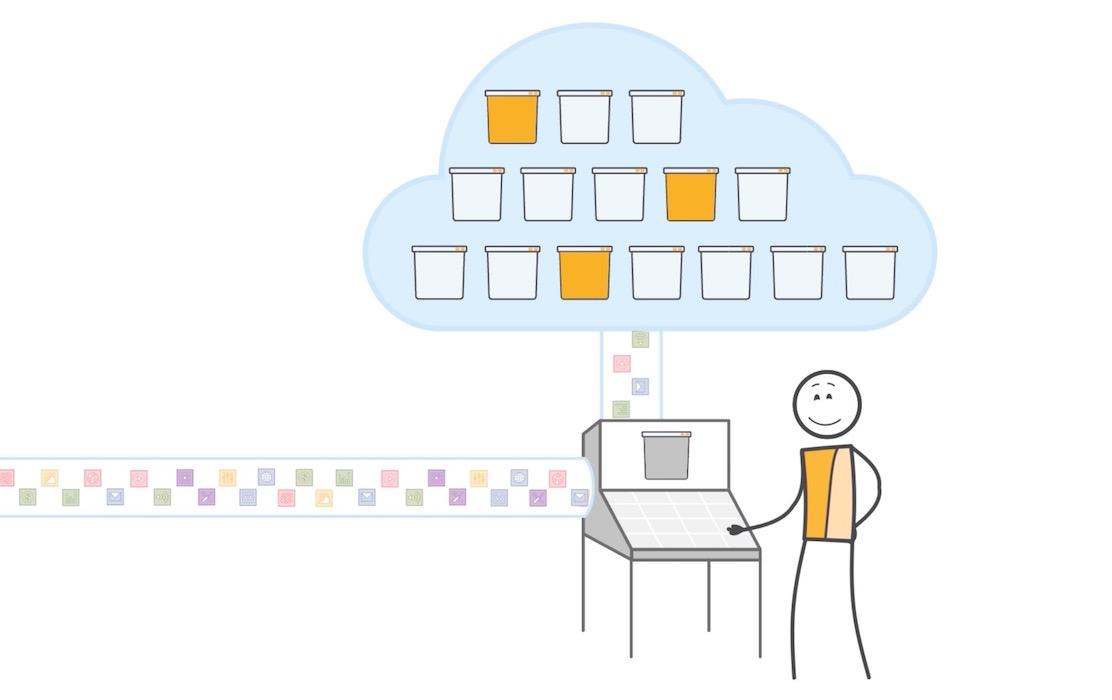
Introduction to Cloud Storage
I spent over a couple of weeks reading about cloud storage, types of cloud storage, Block Storage( AWS EBS), Object Storage(AWS S3), different types of Objects Storage options, File Storage( AWS EFS) and disaster recovery using cloud…
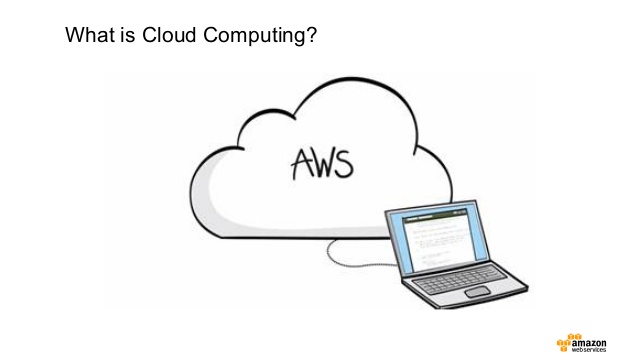
Introduction to AWS and AWS Compute Services
Introduction to AWS cloud and it’s benefits, cloud deployment models and service models, AWS compute services, its security and compliance.
Intro into 8 basic Data Structures
Hello, this blog contains the basic concepts and applications of array, vector, linked list, stack, queue, priority queue, binary tree, binary search tree, heaps, threaded binary tree, graphs and hash tables.
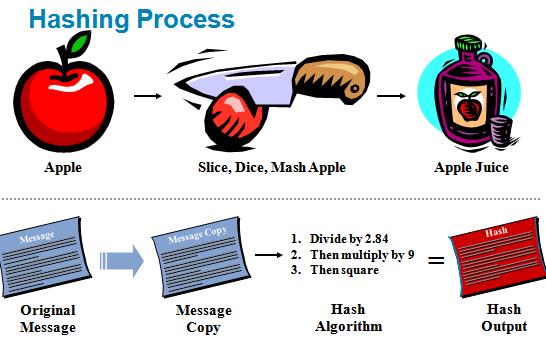
Intro into #Hashing ?
Hello, this blog contains the basic concept of hashing, hashing terminologies, various hashing functions, various collision resolution strategies, chaining with and without replacement, chaining using linked list and extendible hashing.…

How does modern computer networking work?
Hello, this blog contains basics of computer networking.
Basics of Software Engineering
Hi, this blog contains basics of software engineering.
Basics of an Algorithm and Different Algorithmic Approaches
Hi, I was reading about all the different algorithm approaches, i couldn’t find a blog containing, all of them so i made one.
Intro into Database Management
What do you mean by database, database languages, Entity Relation Diagram, Relational schema and Converting ER to Relational model. Relational Algebra using SQL join, selection and projection and Relational Calculus. Data base design,…
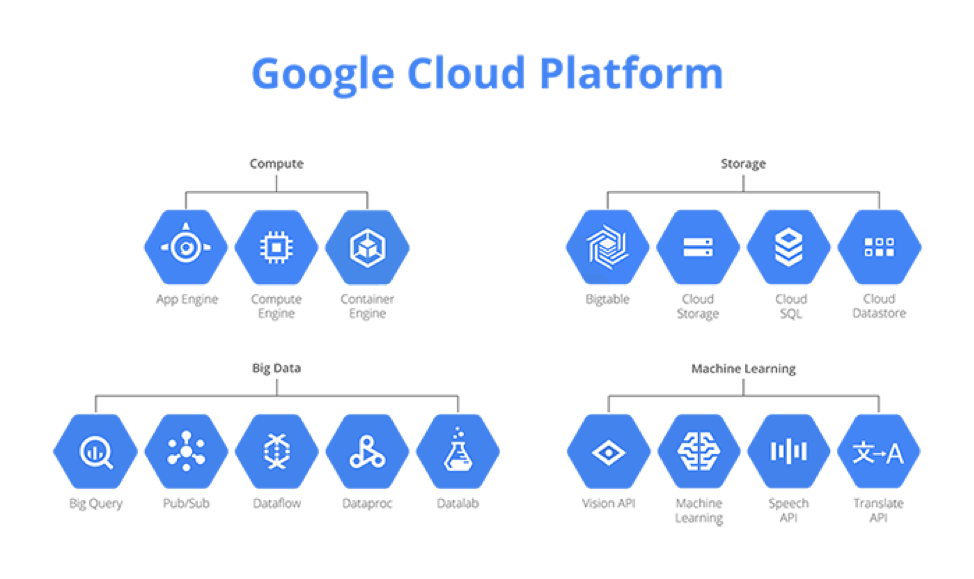
Google Kubernetes Engine basics
Hi, so this blog focuses on the basics of Docker, Kubernetes, Managing Deployment, Canary deployments, Continuous Deployment using Jenkins or Spinnaker along with google cloud services.
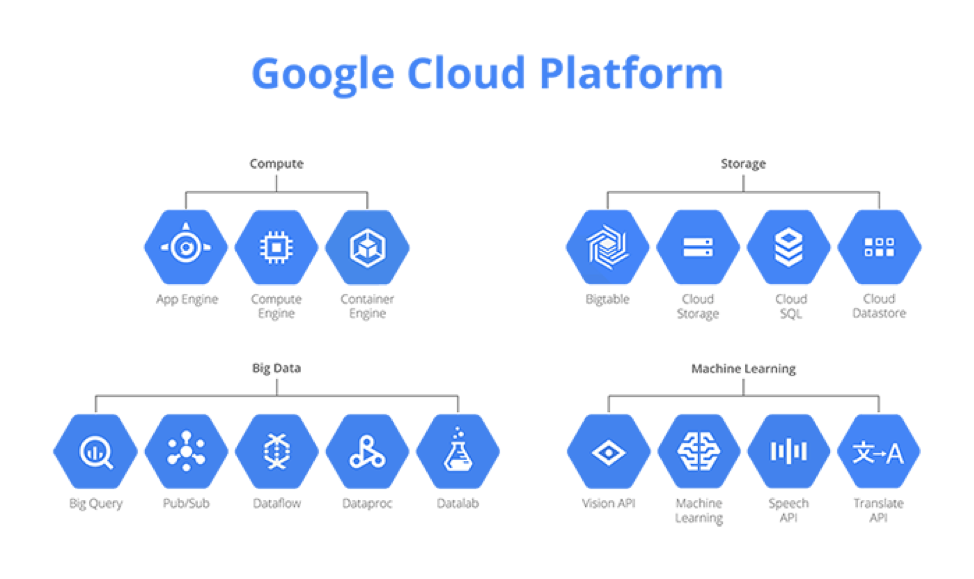
Google Cloud Services basics
Hi, so I was one of the Google cloud Facilitators for this year. This blog contains a list of all the cloud services offered by google which were covered in the Cloud Engineering Track.
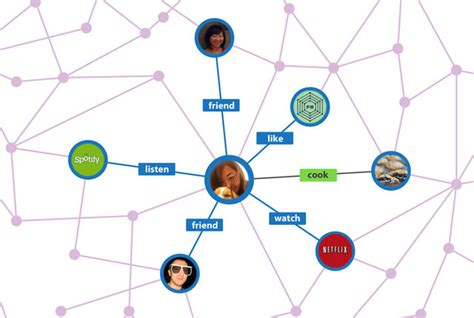
Basics of Graphs
We will be covering what are graph data structures, along with how to represent them, traverse them, find minimum spanning tree using prim and kruskal, finding short path using dijkstra and sort the graph using topological sort.

Social Psychology
Hi, so studied a bit of social psychology and here is a summary of it.
Basics of NumPy and Pandas
Hi, I attended the Vodafone session on data analysis using pandas, matplotlib and numpy, this blog will contain a gist of it.
Introduction to React-Redux
Hello, in this blog i have tried to prioritize various aspects of Redux as a way of structuring the architecture of your React plus Redux application and interacting with the server side from our React application using Fetch

Key words used in React JS
Hi, this blog contains the basic concepts of JavaScript most commonly used in react js library.

Front-End Web Development with React
Hello, in this blog i have tried to prioritize various aspects of developing a React application and react strap, as a way of styling the views in your React components.
Basics of Django framework
Hello, To understand this blog you require a basic understanding of command line interface, SQL requests and Python, I have mostly taken this information from documentation of Django done by Django and Mozilla community.
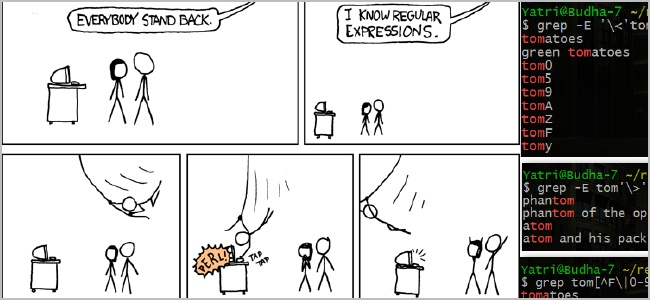
OOPS and Regular Expressions in Python
Hi, So this blog contains classes, Regular expressions and Decorators in Python.
Document Object Model And jQuery
HI, So this blog contains basics of Document Object Model (DOM) and jQuery, How can we connect them to our front end stack, such as HTML and CSS.
JavaScript basics and intermediates for Web Development
Hi, So this blog contains basic and intermediate knowledge of JavaScript to increase dynamism of a website, and how to connect it to HTML + CSS.
Web Development(HTML+CSS+Bootstrap Basics)
Hi, So i was decided to learn Full-Stack development, Starting with HTML+ CSS +Bootstrap basics and intermediate topics, So here is a summary of all the important tags, styling options and Useful links to learn from.
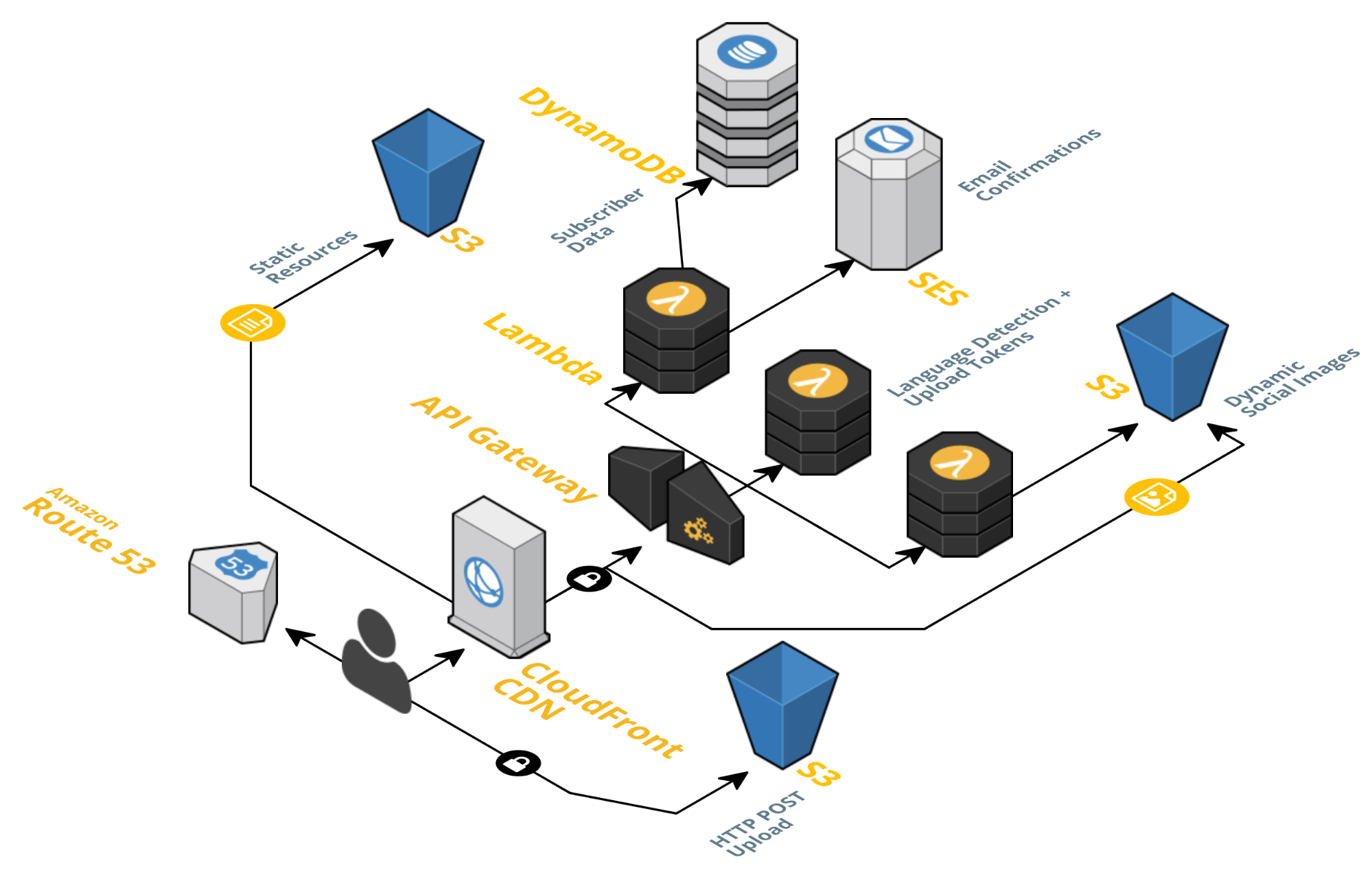
AWS Fundamentals: Building Server-less Applications
Hi, this is the last part in my AWS fundamentals blog series. There are various pros and cons of sever and sever less application, do consider a solution based on your particular problem.
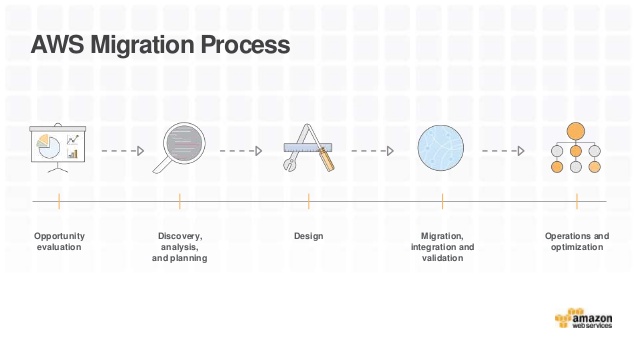
AWS Fundamentals: Migrating to the Cloud
Hi, this is part 3 in AWS Fundamentals, this majorly contains migrations to the cloud.
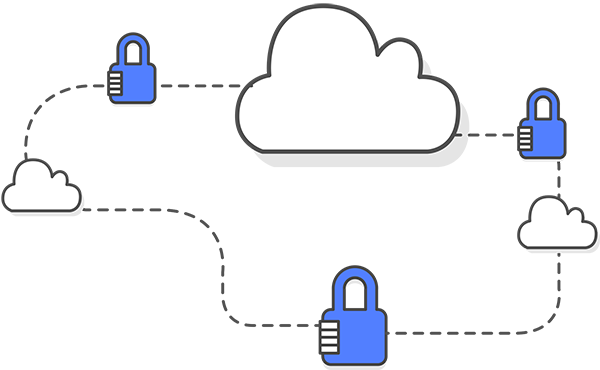
AWS Fundamentals: Addressing Security Risk
Hi, this is part 2 in AWS fundamentals. It is majorly focused on Security and improvising your current AWS Infrastructure.
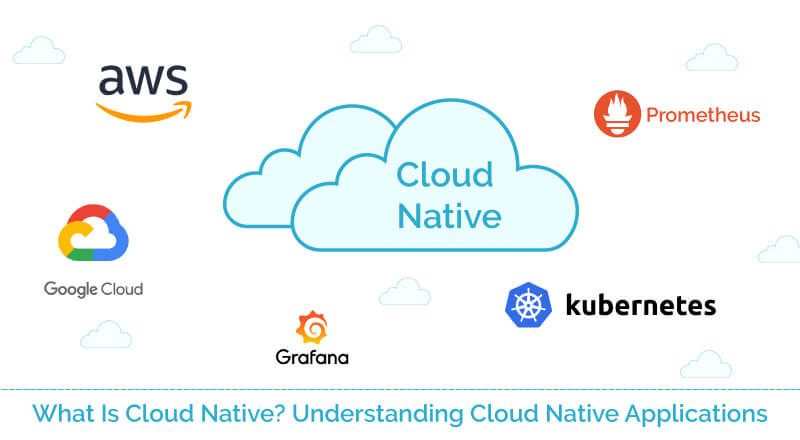
AWS Fundamentals: AWS Cloud-Native
I took this course, https://www.coursera.org/learn/aws-fundamentals-going-cloud-native. And i ended up writing a blog to help me and the community to better understand Cloud Native.
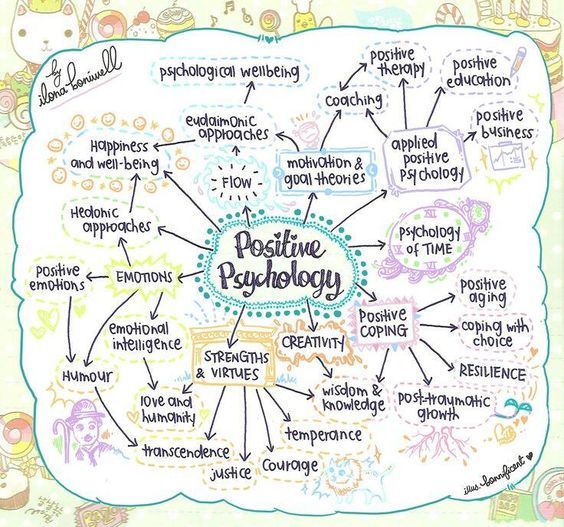
Positive psychology
Hi, so during this COVID-19 pandemic, i though of learning positive psychology, here is a blog to help you in a big or a small way.
GIT IT ?
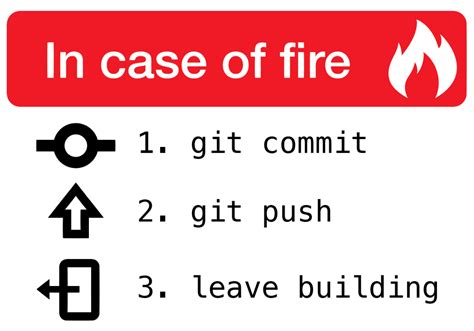
Do you get git ? , if not then this might be really helpful for you . Q1.Why know version control ? It’s super important to have detailed historical information for your organization’s configuration files and automation code. This let’s…
Assembly Language
An assembly language is the most basic programming language available for any processor. With assembly language, a programmer works only with operations that are implemented directly on the physical CPU. It makes possible to manipulate…
Assembly Code
General format of writing the program. under .model define the model you will be using such as small ,medium or large under.data initialize the variables and constants under.code write the code for particular task To exit the file we use…
Binary Search Tree
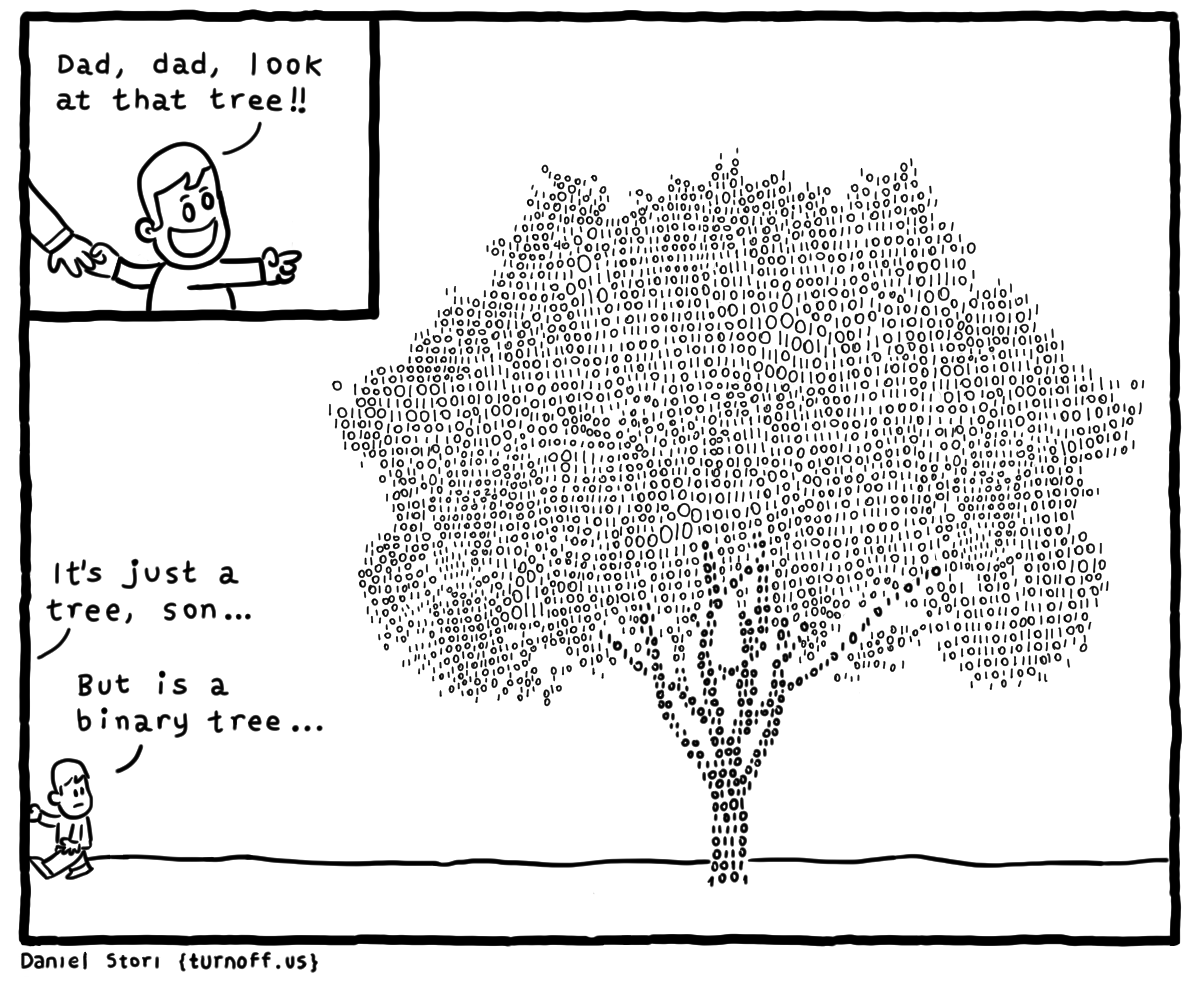
picture credits :http://turnoff.us/image/en/binary-tree.png So we have binary tree , but it was not sorted in a way . So difference between a binary tree , So we follow the nomenclature used below , Our class will look like, 1.Create:…
Trees to Binary Trees
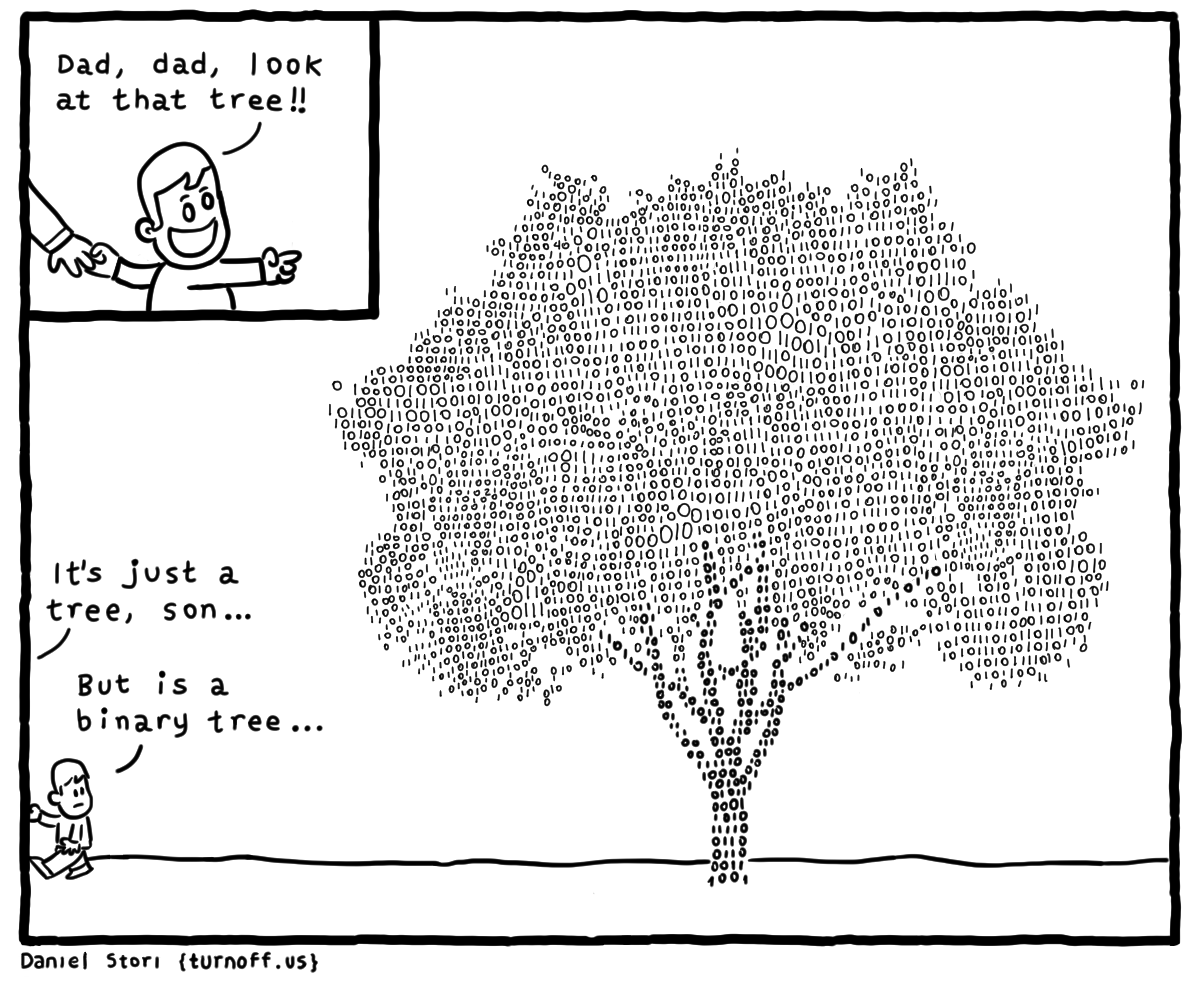
picture credits :http://turnoff.us/image/en/binary-tree.png There are three types of trees we will be discussing , General Trees : A tree is a finite set of nodes with one specially designated node called the root and the remaining notes…
Linked List
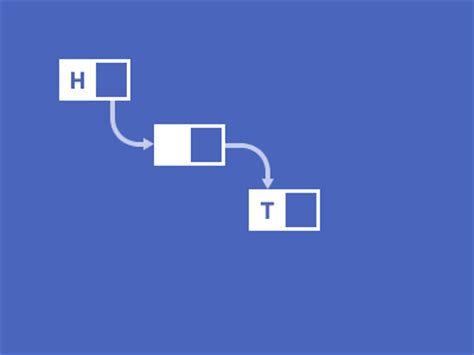
A linked list may be defined if all the block are linked to each other ,using address of the blocks . It’s different from an array , as an array is a collection of simultaneous boxes , where as list is collection of boxes which are…
Types of Lists :
1.Circular List A Circular list , has the next of last node pointing towards the first node of the list , so in algo terms : rear->next =front; This forms a circle of nodes as now last node and first node is connected , just like a circle…
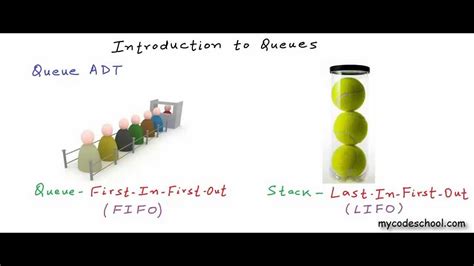
Stacks and Queues using linked list
Concept of Stack and Queue Stack : Now stack works on the concept of LIFO , which means last element in will be the first element out . For only understanding purpose we take stack to be horizontal , For our conceptual understanding…
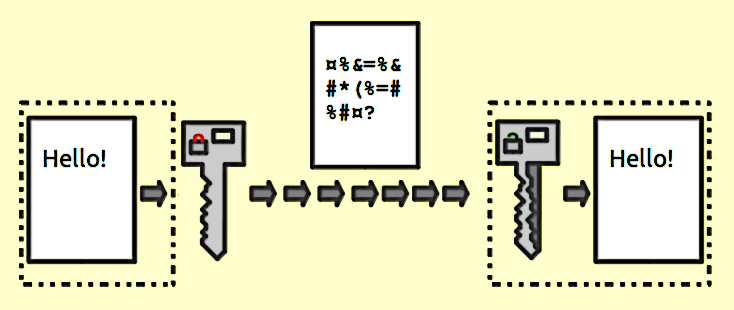
Encryption and Decryption
We have used Java Language , as it already has Inbuilt Encryption & Decryption methods , we also have used File handling part so as to make easy for file transfer . Problem Statement : If you search Data breach on google , the chances…
Blockchain in python using functions
There are a total of 10 functions involved in this project ,per-requisites basic blockchain lingo should be known , The project is divided into sub parts , we will traverse sub -parts wise ; 1.Genesis_block : 2.Adding a Transaction A.Now…
Blockchain in C++
I recommend you to read the previous blog regarding the basics of Blockchain to understand this blog completely . The Difference between Data Structures and Blockchain is that the assets are viable , which means that values in data…
Understanding concepts of blockchain
The original Paper Highlights are followed :-> Original term tossed up was , A peer to peer Electronic Cash System by Satoshi Nakamoto ,the original abstract from his paper was : Abstract. A purely peer-to-peer version of electronic cash…
Data Structures
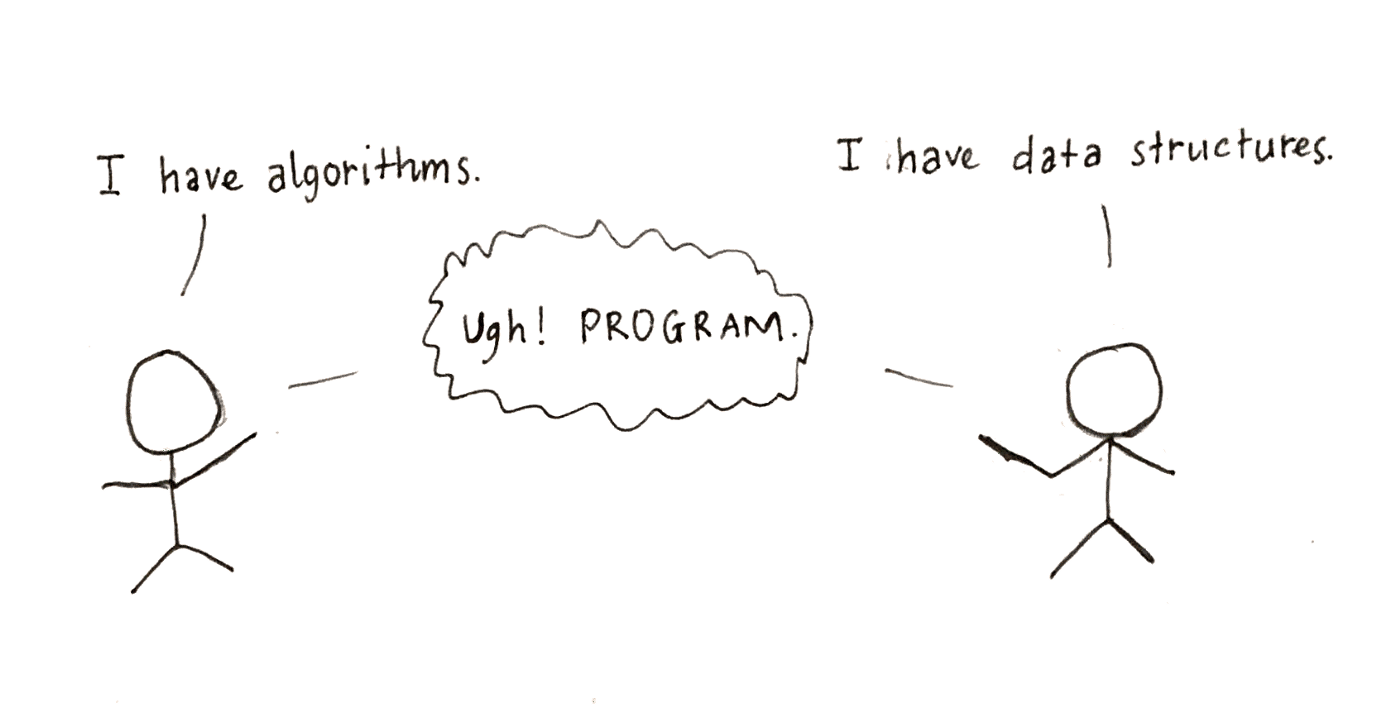
Data Structure is a way of collecting and organizing data ,such that we can optimize our code . For example 1.You can either Store data in tuple or list , depending on operations you want to perform. 2. You can either use yield function…
8255 Microprocessor
Architecture: Components: Data Bus Buffer : bi directional data bus is connected to CPU Read,Write,Control,Logic :Consists of various ports for performing various process’s , using A1 ,A0 and Reset port’s. Group A control :Group A port…
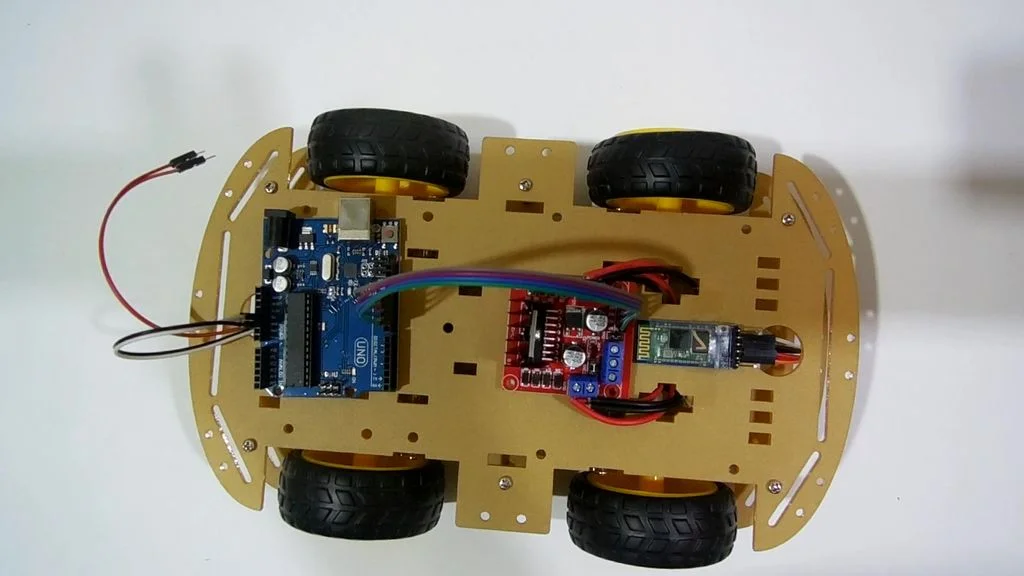
Bluetooth controlled RC Robot
Table of Contents 1. About Arduino / Raspberry Pi : 2. Architecture of Arduino / Raspberry Pi : 3. Kit details: 4. Project Statement: 5. Details of the project: 6. Conclusion : 1.About Arduino UNO: Arduino is a single-board…
Architecture and Programming Model of 8086
At the end all Micro processor is Fetch ,Decode and EXECUTE. 8086 is a 16 bit processor , that means it can transact with 16 bits at a particular time Architecture is divided into 2 parts , upper part is called BIU and lower section is…
Ubuntu
Ubuntu is an African word that literally means “humanity to others .” Ubuntu is a complete Linux operating system . Ubuntu was a try to take the Debian Linux OS and make it user friendly with a GUI . Developed by Canonical Ltd , It has a…
Various methods available for accepting User-Input in java.
There are 4 major ways of doing this . 1.Scanner Class : This is one of the most used techniques , it’s easy for passing tokenised input using methods such as nextInt(),etc. One disadvantage is ,it’s reading methods are not synchronized .…
Django Basics and Implementation of a basic App
REFERENCE :https://docs.djangoproject.com/en/3.0/ Installing Django in steps: Install python We are going to use the official release of Django , which can be done by $ python -m pip install Django Verify the installation by typing , open…
python object and data structure of basics
NUMBERS: the answer for 0.1+0.2-0.3 should be zero , but the answer is5.551115123125783e-17 The reason behind this is Relative Error ,Ulps and Rounding according to “What Every Computer Scientist Should Know About Floating-Point…
Conditionals and Loops
Control flow syntax makes use of colons and indentation or else know as white space. if some condition ,then execute some code. elif some other condition, then execute some other code. else if none of the above conditions are true , then…

How a bitcoin transaction works
1. A user needs to open the wallet application and attempt to send the a certain crypto from sender to recipient .2. This transaction now awaiting to be picked up ,it hovers in a ‘pool of unconfirmed transaction’3. Miners on the network…
Block Chain
it is immutable ,sequential chain of records called Blocks. They can contain transactions,files or any data you like .They are chained together using hashes. It uses hash functions :it takes in input value and that creates an out put…
Useful operators
range(): for num in range(starting_value,ending_value,increment)ending value is not considered inside the num range generates the number instead of storing it in a list.. Enumerate What it does is it returns an index counter with the data…
Python data types
LIST list are ordered sequences ,which can hold variety of object types , it’s also mutable . They are represented by [],and ‘,’ is used to separate objects .It supports indexing and slicing . my_list=[‘kaka’,100,6.42]1.len(my_list) =…
How to open a Jupyter Notebook
Once you have python and the jupyter notebooks installed you are ready to open the notebooks using the following steps: First open up your Command Prompt (search for cmd on a Windows machine) or if you are on a Mac use your terminal…